By Fotini Taylor, MH
Native to the Balkans, the horse chestnut (Aesculus hippocastanum) tree was first grown in Europe in about 1576 and was later transplanted to the United States, where it was initially grown as a shade tree and is also a common botanical feature growing along sidewalks in France. Aesculus is a cousin to maple, soapberry, and lychee, all in the Sapindaceae family.
Not to be confused with the North American Aesculus glabra, it is supposed that Aesculus hippocastanum got its name from the positive effect it has on equine respiratory issues. Another suggested reason behind the plant’s name is that when leaves fall from the trees, they leave behind a mark resembling a horseshoe with nails in it.
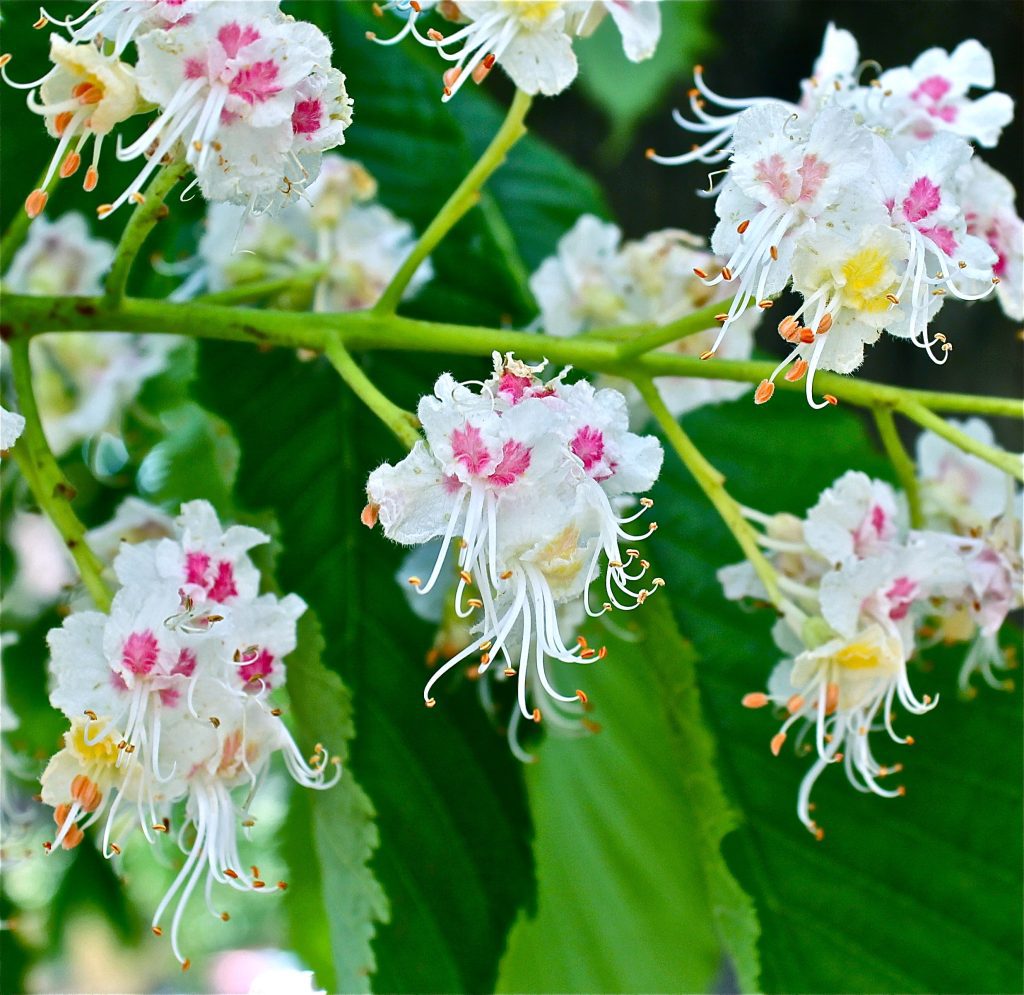
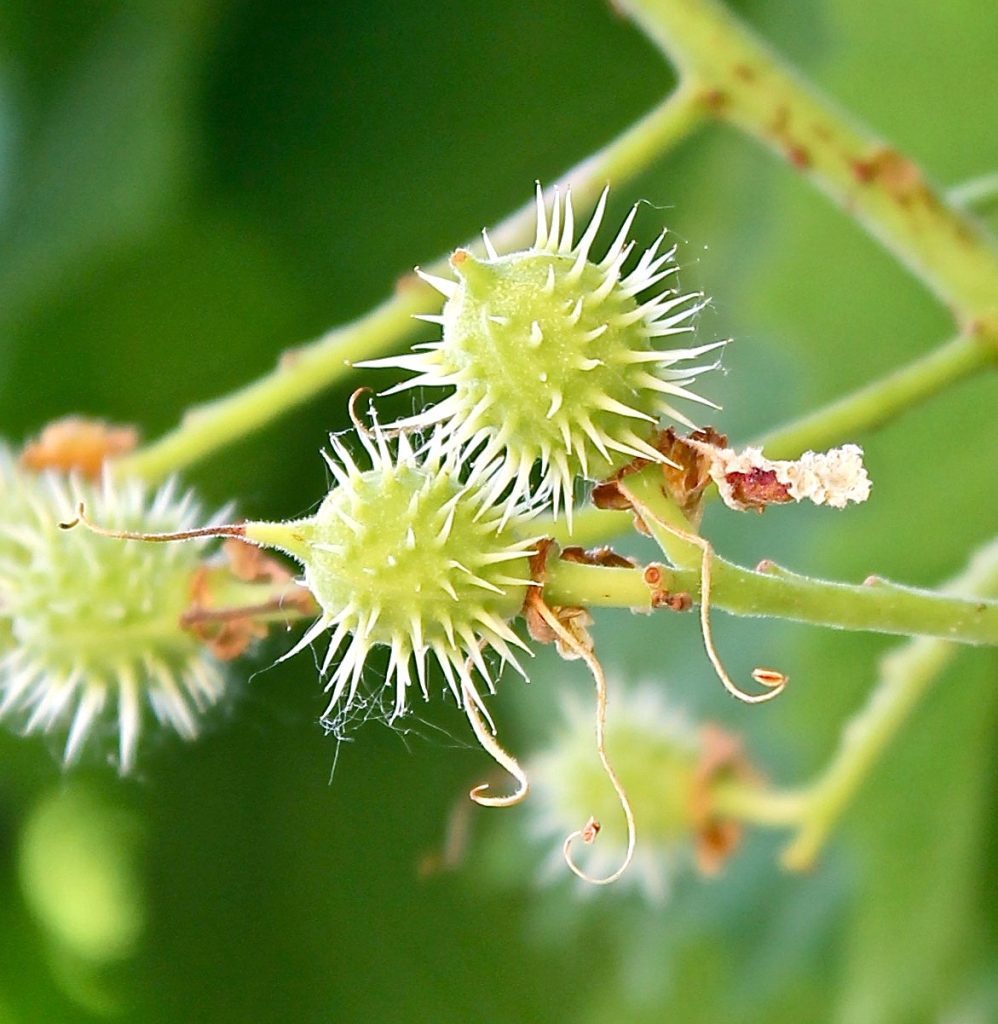
The palmate-leaved and deciduous horse chestnut tree is known to grow up to 100 feet in height and in spring, produces cone shaped “bouquets” of white flowers with red and yellow speckles. Later on, the flowers bring forth thorny pods that carry the soon-to-be ripened horse chestnut.
Many other species of this tree exist, but evidence of their effectiveness in treating ailments is in need of further research.
Right out of the gate, the aescin rich Aesculus seed extracts, along with its tannin component, make the plant a well-noted tonic to the vascular system, assisting with a condition known as Chronic Venous Insufficiency (CVI), also known as phlebitis, which is an inflammation of the veins, most often in the legs.
The seed extract is known to assist cases of CVI by strengthening blood vessels, reducing inflammation, improving vein elasticity, and in turn, promoting better blood circulation. The coumarins present in the plant act as blood thinners that may reduce vascular pressure on the heart, possibly benefitting hypertension.
These similar plant components may also be of use in protecting blood vessels from damage and permeability by shrinking openings that may be present in capillary walls. This, in turn, can prevent fluid from leaking out to other systems where it could cause a disruption in their proper function.
The vascular toning virtue of the plant could make it an advantageous treatment for bruises, varicose veins, and edema, along with relieving pain, swelling, heaviness, and cramping in the legs. Studies conducted on twenty-two patients with CVI, who were all given approximately 1,200 mg of the Aesculus standardized extract (50mg of aescin per capsule) found a decreased flow of interstitial fluid to and from the capillaries by 22 percent in about three hours.
Further investigations using 13 clinical studies on CVI cases showed that horse chestnut was indeed a frontrunner in comparison to the use of placebos in treating the condition. These reviews affirmed the effectiveness of the plant not only as a treatment for phlebitis, but also in cases of fatigue, edema, and tenseness as well as showing promise in treating pruritis in the legs.
As a hot tea, horse chestnut’s anti-inflammatory, tannin, and astringent components extend their febrifuge and expectorant properties to the systems that are all noted to be useful in cases of malaria and fevers as well. In these instances, the effects of horse chestnut are similar to those of Peruvian bark and can be used as its substitute.
Traditionally, the leaf tea with some honey added can relieve coughs and be a valuable treatment for rheumatism and arthritis. The tannins, astringents, and anti-oxidant components also present in horse chestnut’s bark are known as a traditional therapy for treating diarrhea, gastritis, gastroenteritis, hemorrhoids, and malaria. As an external application, the bark tea may also benefit lupus, eczema, and other skin ulcerations.
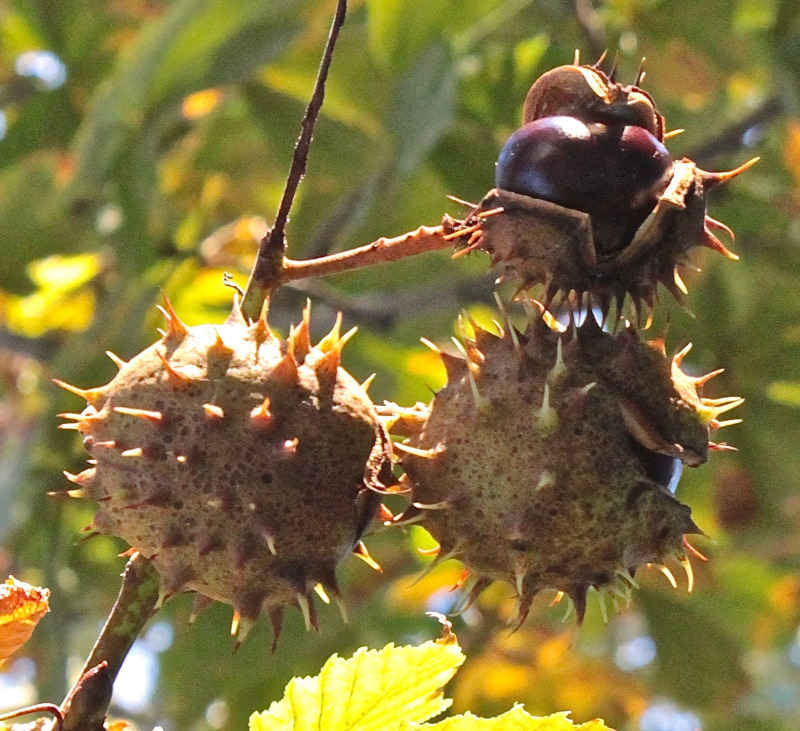

The pods split open during late summer or early fall
According to Rolla Thomas, it is also noted that horse chestnut may also exact its virtues onto the nervous system as a stimulant and may be valuable in cases of asthma and other instances where breathing may be difficult.
Horse chestnut’s potent source of antioxidants also makes it valuable in staving off free radical damage. Studies conducted on the plant found that its Quercetin and Kaempferol Glycosides boost its disease fighting capacity, where animal studies also revealed that horse chestnut’s antioxidants might be useful in protecting the body from losing too much glutathione, an antioxidant that protects vital cell components from damage.
When Doctrine of Signatures is brought into the picture, one could surmise the plant’s potential benefit not only in enhancing male fertility via the production of viable sperm, but also in supporting prostate health, even possibly where cases of prostate enlargement are concerned.
Just when you thought this plant couldn’t get any better, other studies conducted on horse chestnut’s benefits found it to be of great use in fighting cancer. While research findings showed that components of the plant material may have the ability to kill off breast and cervical cancer cells, what astounded scientists even more was Aesculus’ ability to trample on leukemia cells, namely in conjunction with the Jurkat cell line that is used to test for acute T-cell leukemia, T-cell signaling, and chemokine receptors that are vulnerable to the entry of viruses, one being HIV.
Lab findings on the Jurkat cells that showed an approximate 94 percent cancer cell death rate give it great research potential for use as a future cancer treatment. Studies conducted on this cell line also found that it has the ability to produce interleukin 2, a receptor that regulates white blood cells and has been of great use in studying the effects of chemo and radiation on cancer cells.
The pairing of Jurkat cells with Aesculus’ extracts, may present a brighter future for T-cell leukemia patients and with further research, hope may also be in store for other types of cancers. I hope that future research proves this pairing as a possible treatment for HIV/AIDS as well.
Topical cream and ointment applications made from the plant may also be useful for conditions ranging from phlebitis, sunburns, varicose veins, arthritis, and neuralgia, along with reducing pain and bruising from sports injuries and inflamed joints. European practitioners have used the plant extract as an injection to aid in the healing of brain injuries and head traumas.
Summing It All Up
While it may not be the ideal chestnut for roasting, there’s no “horsing around” when it comes to the many virtues Aesculus extends in support of the many aspects of the body’s vast organs and systems.
From improving circulation and reducing swelling, straight on through to treating coughs, fevers, malaria, cancer, and leg veins, when the plant is consumed in the prescribed small doses and under the guise of a well-versed plant practitioner, horse chestnut is definitely a bet worthy “horse.”


Horse Chestnut (Aesculus hippocastanum)
Family: Hippocastanaceae, Sapindacea
Parts Used: Seed, Bark, Leaf
Constituents: Aescin, Coumarin derivatives (esculetin and esculin), Condensed Tannins, Triterpene Saponin Glycosides, Fatty Acids, Flavonoids, Allantoin, Sterols (Stigmasterol, α-spinasterol, β-sitosterol, Fatty Acids (linolenic, palmitic, stearic acids)
Energetics: Mildly Constricting, Cooling, Drying
Actions: Anticoagulant, Anti-inflammatory, Astringent, Febrifuge, Vascular Tonic
Taste: Dry, Bitter
Preparations: Capsules, Tablets, Tea, Tincture, Standardized Extracts
Dosages (Use only under the care of a Qualified Plant Practitioner):
- Dried Seed Tincture: 1-2 ml (0.2- 0.4 tsp.) 1-3 times daily
- Standardized Extracts:
- Tablets / Capsules: 2-4 daily or as suggested on the label
- Dried Seed Oil (1:4): Apply externally 2 to 4 times daily
Warnings: Use of this plant is not advised for pregnant and nursing women. The plant is also not advised for children as well as for those on anticoagulants and salicylates or for men on infertility medicines. Since all raw parts of the plant are toxic, fully prepared portions, especially the standardized extracts, should only be used as prescribed and in small doses.
Please be aware that this information is for educational purposes only, and is not intended to cure, diagnose, or treat any illness. Seek a medical professional if you believe you need one.
References
- Duke, J. (2000). The Green Pharmacy Herbal Handbook: Your Comprehensive Reference to the Best Herbs for Healing. New York, New York: Rodale Inc.
- Easley, T. Horne, S. (2016). The modern herbal dispensatory: A medicine-making guide. Berkeley, California: North Atlantic Books.
- Elpel, T.J. (1967). Botany in a day APG: The patterns method of plant identification. An herbal field guide to plant families of North America. Pony, Montana: HOPS Press, LLC.
- Foster, S. Duke, J.A. (2014). Peterson field guide of medicinal plants and herbs of eastern and central North America. New York, New York: Houghton Mifflin.
- Foster, S. (1998). 101 Medicinal herbs: an illustrated guide. Loveland, Colorado: Interweave Press, Inc.
- Hoffman, D. (2003). Medical Herbalism: The Science and Practice of Herbalism. Rochester, Vermont: Healing Arts Press.
- McIntyre, A. (2010). The Complete Herbal Tutor: The Ideal Companion for Study and Practice. New York, NY: Hachette Book Group.
Online References
- (2023, January, 4). Jurkat cells. Wikipedia: The Free Encyclopedia. Retrieved From: https://en.wikipedia.org/wiki/Jurkat_cells
- (2023, December 28). Aesculus hippocastanum. Wikipedia: The Free Encyclopedia. Retrieved From: https://en.wikipedia.org/wiki/Aesculus_hippocastanum#Etymology
- Edwards, R. (2017, December 6). Horse chestnut benefits include phlebitis relief (+ precautions). Dr. Axe. Retrieved From: https://draxe.com/nutrition/horse-chestnut/
- Lubeck, B. (2023, September 5). Horse chestnut supplements: are there health benefits? VeryWell Health. Retrieved From: https://www.verywellhealth.com/horse-chestnut-benefits-7574299
All Photo © 2024 Fotini Taylor, MH