By Marc Williams
Introduction
The purpose for this article is to both detail a two-week trip to the Yucatán this past winter as well as provide a pathway for folks who might want to do something similar or even just explore the traditions and ethnobotanical literature of the region from the comfort of your own home. My hope is certainly to return, hopefully sooner than later and use this as a road map to further contribute to, document, and explore more of this incredible place on the planet.
An inventory of the native vascular plants shows that México contains at least 23,314 species, distributed in 2,854 genera, 297 families, and 73 orders. The flora includes 1,039 species of ferns and lycophytes, 149 gymnosperms, and 22,126 angiosperms (Villaseñor, 2016). The World Checklist of Vascular Plants is one global compilation of at least five initiatives looking to botanically catalog the globe (Qian et al., 2022). It has been compared to internal research regarding the flora of México showing significant overlap in naming conventions and number of species but understandably missing hundreds of species recognized at a more local level especially those described not that long ago (Murguía-Romero et al., 2023). In recent years an average of over 100 new species have also been described annually (Sánchez Sánchez et al., 2023).
The Yucatán being less biodiverse than many areas of México, as a mostly flat and very hot peninsula, contains a smaller subset of those numbers totaling 2,239 species in 957 genera and 163 families (Fernández-Conch et al., 2010). At least 200 species are endemic to the Yucatán Peninsula Biotic Province (YPBP) of which 123 occur exclusively in the Mexican part and some of these are being studied specifically for ethnobotanical applications (Alonso-Hernández et al., 2024). The Yucatán peninsula is also broken up into three political states known as Campeche, Quintana Roo, and the Yucatán. On this trip the latter two were visited.
For this trip i used some Spirit Airline miles and flew out of Atlanta to Cancun. Both in seeing the land from above and subsequently in taking a bus to meet up with friends in Mérida it was clear that the roads could be swallowed in not much time without constant upkeep and maintenance. It makes sense that it is now being determined that most of the peninsula and adjoining areas were developed into systems of complex and interlinked communities as can now be detected by light detection and ranging (LIDAR) and other remote sensing techniques (Michenot et al., 2024).
During most of the trip my home base was a rental house provided by friends outside of Mérida in the suburb of Cholul. We happened to be there during Mérida’s 483rd anniversary celebrations. On the weekends it is a practice of parts of downtown to shut out cars and open up to more biking which proved to be a fun activity. A grocery store chain both in Mérida and Tulum that proved crucial in seeking out items like organic food and good craft beer is Chedraui. Yucatán Today is also a great publication we had in our lodging that is readily available in print but of course also online that can offer some current insights.
History of Plant Study in the Yucatán and Literature Review
This part of México is certainly a legendary place in the mind of many people all around the globe. The architectural legacy of the Mayan culture is particularly evocative and well known. That said the ethnobotanical traditions of the Indigenous cultures of the region are equally as fascinating and also something that deserves more notoriety. Folks that identify as Indigenous still make up a majority of the area though a smaller percentage still speak the language. The history of the 50-plus-year Caste War from 1847 to 1901 in which many of the Indigenous of the Yucatán area tried to unsuccessfully break away from the rest of México was new knowledge to me.
Before departure part of the preparation was to consult my personal library on the literature which was mostly more general to México and its archaeology, gardens and nature as well as Aztec herbalism, which is a group more centered near México City (Domenici, 2002; Gates, 2000; Haas & Sapieha, 1993; Wauer, 1992). One resource covers the seeds of over 500 economically important species of both southern México and Central America (Lentz & Dickau, 2005). Researcher Michael Coe is a big name in the field of Mayan history in particular (Coe & Houston, 2022). Another resource covers 39 different tree species along with their roles in Mayan society comprising categories such as use for carpentry, firewood, medicine and nourishment among other uses (Aguirre de Riojas & Pöll, 2007).
Some of the more famous interpreted Mayan-Quiche texts include tales of their origin story in the Popol Vul and aggregation of knowledge from the colonial period in the various Chilam Balams with quite a few different versions by authors over the years (Aliphat, 2019; Castledine, 2023; Rodríguez Galicia, 2022; Roys, 1967).
Certainly the magnificent works of Paul Standley remain unparalleled in many ways regarding the treatment of the flora with much ethnobotanical documentation over thousands of pages that are freely available to download given the antiquity (P. Standley, 1920; P. C. Standley, 1930). Before Standley was the work of Millspaugh and Chase (1903). Shortly after, the Carnegie Institution of Washington sponsored a deep dive into certain plant groups of the Maya more generally including the Yucatán (Lundell et al., 1940).
Regarding medicinal plants a couple of compendiums that encompass the Yucatán region as part of a greater survey of Latin America and “Middle America” by titans in the field of ethnobotany respectively James Duke (2009) and Julia Morton (1981) are incredible if very expensive resources. An old school specific book to the ethnobotany of the Maya exists as well (Roys, 1931).
More recently the publisher Springer has produced an ethnobotanical guide to México writ large as well as a number of focused guides to particular groups within the Mayan world (Cook, 2016; Gezelle, 2014; Lira et al., 2016; Stepp, 2018).
The website for El Colegio de la Frontera Sur (ECOSUR) is an excellent source for books on all sorts of biological interests as well.
A number of publications are available as PDFs including a more modern checklist to the flora of the Yucatán (Fernández-Conch et al., 2010; Pérez-Sarabia et al., 2017).
Bookstores
Seeking out the local bookstores is always an immediate point of business while traveling for me. To my chagrin finding good books describing the nature of the Yucatán region became a bit of a hunting expedition. The categories available were both standalone bookstores specifically but more often the gift shops or stores situated within museums or at ruins.
Dante is the most readily available source of books from a chain store perspective having several outlets throughout the area and some high quality small guide books especially to the animals, art forms, and language (Aguirre & Tuyub, 2009; Garate, 2013; Martínez Huchim & Gorostieta Monjaraz, 2018; Neumann, 2011). A neat little guide to the Indigenous tradition known as Hanal Pixán that predates but is related to the more well know Dia de Los Muertos is particularly illuminating (Calero, 2004).
Ghandi is another chain of stores with an outpost in the Galerías mall in Mérida. They had some unique books both in English and Spanish with some at very good, discounted prices. The best book i found for trees and actually for the whole country of México (and in Spanish) was there (Lesur, 2017). They also uniquely had a number of books on mushrooms with two in Spanish and one interestingly in English and German (Vermeer, 2023; Watabe, 2024; Webb, 2024).
Also in the mall is an outlet of the chocolate franchise ki’Xocoatl. They create a dizzying array of artfully produced chocolate with related accoutrements on offer. Another cool feature of this mall is the skating rink which must come in handy when late spring through summer temperatures sky rocket for months on end!
Stingless Bees
The first exposure of my life to stingless bees happened when visiting Finca Luna Nueva in Costa Rica which is part of the United Plant Savers Sacred Seeds Sanctuaries network. I did not realize at the time that this is a large group of different kinds of organisms that occur all around the world.
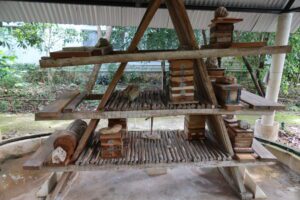
Beyond the plants and associated ethnobotanical traditions in the Yucatán, another focus of the expedition was to explore further the fascinating world of stingless bee apiaries that stretch back to Mayan times. The main species of interest in this area for honey are (Melipona beechi and M. yucatánica). The Mayan name for them is xunan kab which means royal lady and they tend to naturally occur around palm and acacia trees. The Mayans even have a bee god, Ah Muzen Cab, who is often considered in relationship to Ixchel, the goddess of childbirth, fertility, medicine, the moon and who watches over healers, plants, and unborn children (Aleksandroff, 2011). An astonishing array of research has been conducted on the subject of bees in México, though much of it is in Spanish (Baena-Díaz et al., 2023; Carrillo Magaña, 1990; Dardón & Enríquez, 2008; Euán, 2005; Hayes, 2015; Hayes, Jen, 2015; Real-Luna et al., 2022; Roubik & Hanson, 2004). i was able to find one book resource at the Saturday market with a honey vendor in the plaza of Mérida as well (Carrillo Magaña, 2004).
Scientists David Roubik and Rogel Villanueva-Gutiérrez are good go-to sources for information in English on stingless bees (Cortopassi-Laurino et al., 2006; Quintal & Roubik, 2013; Roubik, 2023; Villanueva-G et al., 2005; Villanueva-Gutiérrez et al., 2013; Vit et al., 2013). Whatever language you study on the subject, it is clear that the stingless bees are threatened by a variety of issues like many other life forms on the planet. One issue with sustainability is the competition for land and resources with farming, especially soy, in the area of Campeche which has also been shown to contaminate honey with transgenic material (Villanueva-Gutierrez, González, et al., 2014). The wax is used for a number of items such as candles, and some plants depend upon these types of bees as their sole pollinators as well.
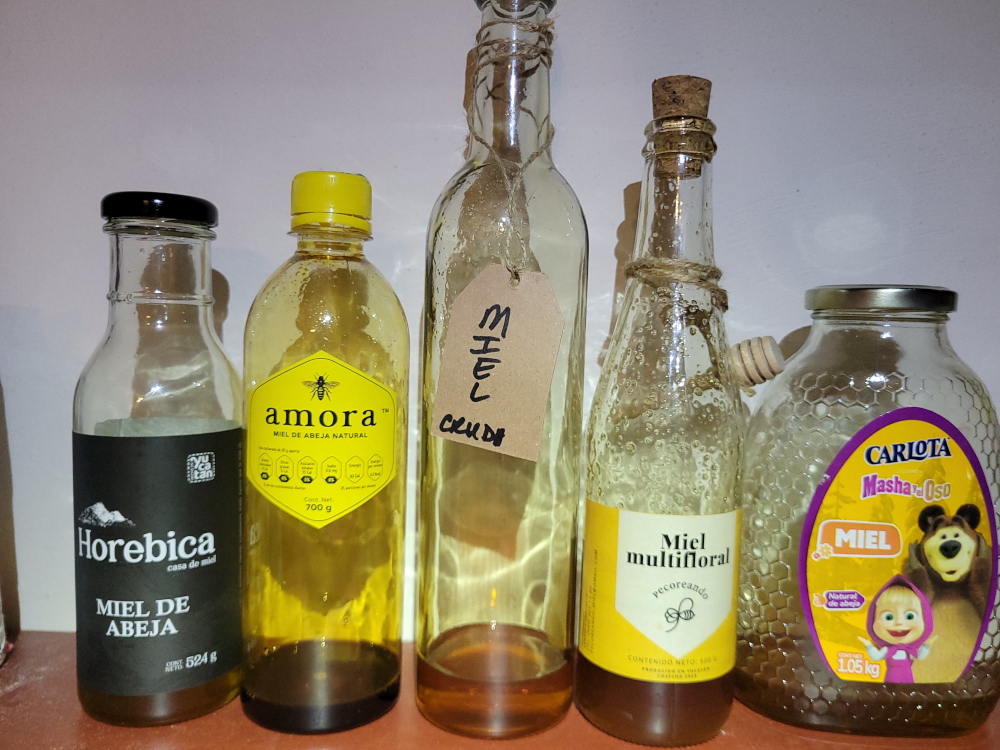
In the state of North Carolina a non-profit Mayan Melipona Bee Sanctuary project that is also based in Valladolid in the Yucatán distributes a publication that refreshingly includes the local Indigenous language (Villanueva-Gutierrez, Buchmann, et al., 2014). Seventeen plants from thirteen families are listed with scientific, Spanish, and Indigenous names.
Research is also being conducted at NC State University by a grad student named Kennedy Brinson about the ethnobiological aspects of stingless bee keeping in neighboring Belize.
Asheville, NC is the host to the organization Bee City USA and the Center for Honeybee Research and together they and other organizations put on an annual Honey Fest. This year it was awesome to find some melipona honey from Africa to add to the collection along with a number of other unusual types from around the world.
Museums in Mérida
Casa Museo Catherwood documents and displays some of the work of one of the most famous early explorers from England, the draftsperson Frederick Catherwood (Bourbon, 2000; Carlsen, 2017; Catherwood et al., 1844; Youmans, 1997). Tried to visit this place during business hours but they were inexplicably closed. It was a pretty small space with nonetheless an interesting book collection, but even upon entreaty to folks descending from the locked door for an early lunch, entry was denied. Downstairs is an interesting chocolatier named Placer and Delirio with a museum that was closed at the time as well.
The Casa Museo Montes Molino is an opportunity to view the gilded age era of the early 1900s in an over century-year-old home frozen in time from decades ago. Certainly some ethnobotanical aspects are woven throughout. The gift shop was particularly bountiful and had a couple books in Spanish on wild edibles not seen anywhere else (Iakovleva, 2021; Martín Briceño, 2024). Another uncommonly seen guide book to the birds was found here as well (MacKinnon, 2024). One of the jewels from there and the whole trip though was a book called Beverages of Oaxaca, which is also potentially available online (Cueva & Bonilla Cazarín, 2020).
The Museo de la Gastronomía Yucateca has amazing food and cooking demonstrations with a bit of a living history museum vibe and excellent interpretive signage. They also have a nice selection of stingless bee products as well as other native indigenous foodstuffs like ramon (Brosimum alicastrum).
The Grand Museo de Mundo Maya is housed in an enormous contemporary building and certainly holds some of the most significant artifacts in the city but was unfortunately closed the whole time.
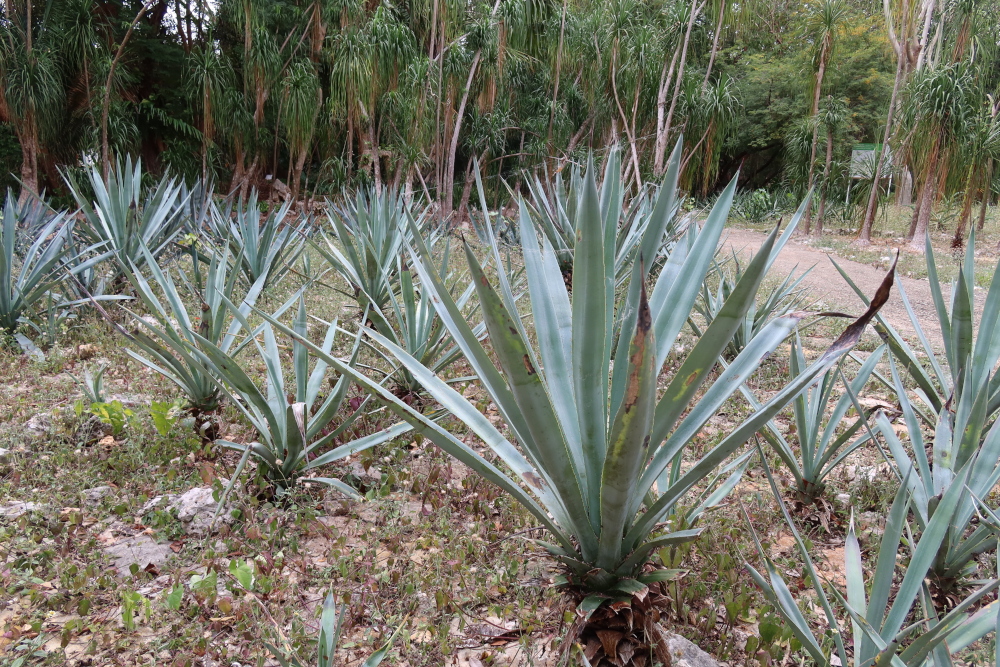
The Museo Palacio Canton both features an impressive collection of Mayan artifacts with plentiful signage detailing many aspects of life in the Yucatán hundreds to thousands of years ago and is housed in an ornate mansion generated by and telling the story of the henequén/sisal (Agave fourcroydes) boom from the 1800s and early 1900s.
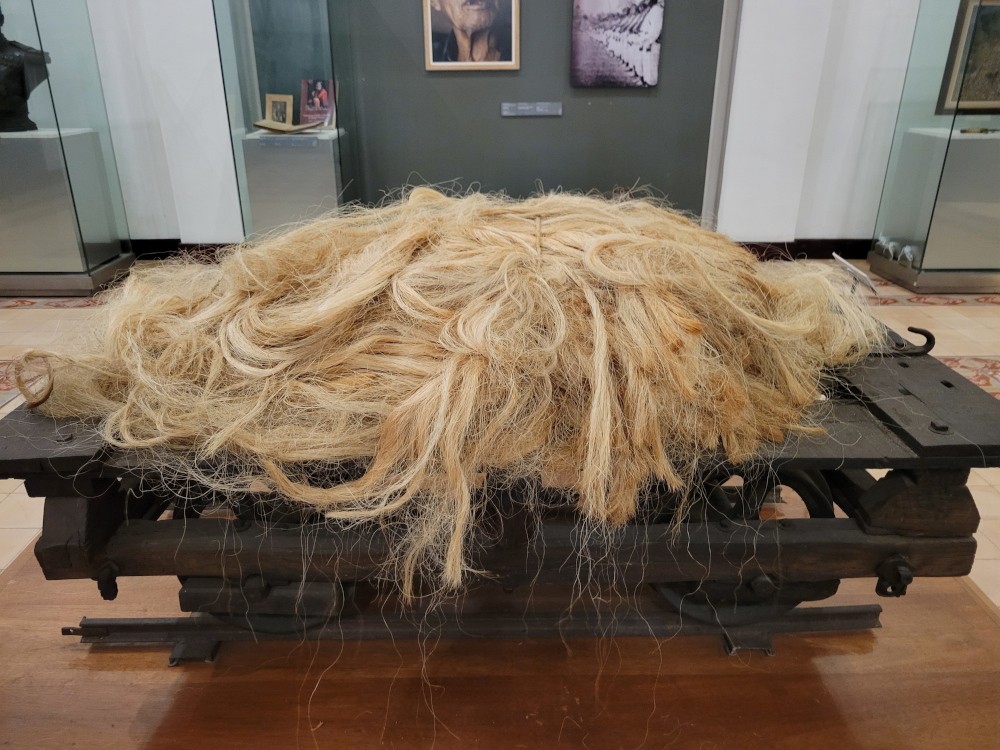
The Museo de la Ciudad de Mérida takes you on a thorough tour of the evolution of the Yucatán more in modern times of the last couple centuries as well as rotating modern art exhibits. Interesting to learn of a mass influx of Asian and Lebanese folks over a century ago which is still reflected in some of the food choices available.
The Slow Food market in Mérida on Saturdays 9 – 1 is a dream come true for foodies. Some items on offer include ferments from Viva Rawchi, olives, soft cheeses and zaatar. Some great chocolate from Iguana Sana based in Izamal was a treat. A special offering is the incredible hummus varieties from a company called Garbancito using ingredients like a local smoked chili known as xkatik. Vegan coconut ice cream from the company K’aaxil offered another incredible tour of flavor featuring items like butterfly pea, coffee, mango, and matcha. Honeys were available from a number of vendors including Horebica and La Reina de la Tierra. It was neat to make a mead from the honey acquired here and return some of it to the market before taking off, too. Non-food offerings included some amazing locally forged knives, woodworking, and textiles.
Cenotes
This area of México is famous for its network of hundreds of freshwater springs known as cenotes. Unfortunately, my trip did not encompass a visit to such a place this time but some of my friends certainly thoroughly enjoyed a couple of them. It stands to reason that these would be interesting places botanically, but a cursory search has turned up little on this topic in particular.
Basketry and Textiles
Huipiles and Guayaberas are the ornamented traditional tops worn by females and males in the area respectively. Hammocks are an indigenous innovation from the Americas, and a great little publication describes their role in society both in English and Spanish (Irigoyen, 2011). Although hammocks are still made of plant materials, they are more commonly made of nylon and more rarely of silk.
Another publication covers basketry, hatmaking, jewelry, papermaking, shoemaking, stonework, textiles, and woodworking. In describing the basket making it is mentioned that local vines are rarely used anymore due to their threat of extinction. Plants mentioned include the palma de huano presumably (Sabal spp.) or jipi (Carludovica palmata) (Garate, 2013). Other plants used in basket and mat making include bamboo, henequén, and sugar cane, and harvesting has a tradition of connection to moon cycles with a particular type of mat called a petate or pop coming typically from the palm (Leucothrinax morrisii) (Aleksandroff, 2011).
Baskets, bowls, bottles, lamps, masks, and musical instruments are also often fashioned out of the calabash (Cresentia spp.) (Aleksandroff, 2011).
All throughout Latin America one can find the most creative light fixtures woven in the style of an open-ended basket.
Beverages
The prolific ethnobiologist Gary Nabhan has helped put together two books on the most famous alcohol spirits of México known as Mezcal and Tequila (Nabhan & Piñera, 2023; Valenzuela-Zapata & Nabhan, 2004).
Probably the most surprising beverage was one made from bougainvillea. As mentioned earlier i found a stunning book about beverages from the nearby area of Oaxaca that includes a recipe for this and many more items especially related to corn and chocolate (Cueva & Bonilla Cazarín, 2020). Saká is a traditional ritual beverage made by the Maya based off of nixtamalized corn (Bernard Menna & Lozano Cortés, 2004).
A coffee substitute from roasted and ground seeds of ramón (Brosimum alicastrum) and leaf tea was interesting to witness from a company called Osh Mayan Superfood.
An alcohol called Pulque is the traditional fermented brew made from the sap of the maguey (Agave spp.) and has been researched for chemical, microbiological, and nutritional components (Crist, 1939; Escalante et al., 2016; Garcia-Arce & Castro-Muñoz, 2021; Gutiérrez-Uribe et al., 2017; Valdivieso Solís et al., 2021). A study on the alcohol brewing traditions of the Lacandon and Tarahumara Maya in particular has also been done (Litzinger, 1983).
Another traditional alcohol is Xtabentún, which typically contains a honey considered to be potentially psychedelic from its namesake morning glory (Turbina corymbosa) (Ratsch & Hofmann, 2005). Another traditional beverage that can also be psychedelic in nature is Balche, which is a type of mead that features the namesake plant (Lonchocarpus spp.) but also may be in an admixture with other ingredients as well (Ratsch & Hofmann, 2005). Many plants of various genera contain the term Balché but typically with some modifier (CONABIO, 2025).
Serrette (Byrsonima crassifolia) is used to make a popular traditional liqueur that is considered a specialty of the Yucatán (Aleksandroff, 2011).
Craft beers are definitely a thing in the Yucatán, and a plethora of companies such as Cervesa Cancun, Cervesa Fervor, Cervesa Indio, Minerva, and Ocho Reales are all making diverse varieties of high-quality product with often captivating art work on the bottles as is typical in various parts of Latin America such as Costa Rica, Ecuador, and Peru.
A drink without alcohol is the high protein horchata type drink made from the seeds of the calabash or jícara (Crecentia cujete) (Aleksandroff, 2011). Lots of probiotic beverages and kombucha in particular are available especially at the grocery store Chedraui and in numerous locations throughout the city of Tulum, including the brewing companies Deluz, Etérea and Vida Bebida. Some flavor types include ginger, mango, mint, maracuyá/passionfruit, maté, and tamarind. All sorts of other cool carbonated beverages from companies like Buhó and Velvet Soda are a real treat as well. The company Posheria in Mérida carries most of the items mentioned above as well as pox, a traditional corn liquor, Yucatecan gin, and distillates of henequén.
The North Coast
Celestun is probably one of the most famous locales along the northern coast of the Yucatán. It is particularly well known as one of the best places to see flamingos. A number of grassroots initiatives are trying to re-habilitate after the devastation of hurricane Gilbert in 1988. Much focus is centered on working to reforest the Mangroves affected which are keystones to the ecology in particular. We went on the typical kayak tour for the area with the Guardianes de los Manglares de Dzinintun and saw all sorts of neat birds with great interpretation of the habitat.
The port of Progreso is one of the more popular and large metropolitan areas on the north coast. It has a miles long industrial pier and very windy weather. It is also close to the impact area of the Chicxulub meteorite that caused the 5th and last until now great extinction which occurred 65 million years ago (Kolbert, 2014; Morgan et al., 2022). There is a theme park like facility focused on this, but we did not check it out.
Botanical Gardens
México has a network of at least 64 botanical gardens in name, though a smaller subset appear as part of the Mexican Association of Botanical Gardens (Dávila et al., 2022). The National Network for Ethnobiological Gardens (RENAJEB) totals 24 different spaces including two not heard of otherwise known as the Jardín Etnobiológico de Campeche and Jardín Etnobiológico San Felipe Bacalar.
That said this feels like a prime area for new United Plant Savers sanctuaries particularly in places with high rare medicinal plant numbers combined with incumbent threats such as climate change, development, farming, mining, and tourism. Reaching out to these networks above could be a good first step.
Only recently did the one named after Dr. Alfredo Barrera Marín in between Cancun and Playa del Carmen come to my awareness. This is by far the most visited area of the whole Peninsula and thereby easiest to access. Nice that a publication is available detailing its collections and history as well (Sánchez & Islebe, 2000).
The Arboretum de Frutales Mayas Cholul was walking distance from our lodging and though small still had some new plants for me including the Ciricote, Kopté or Ko’c ché (Cordia dodecandra) Boraginaceae and the Pepino de arbol or de ardilla or ka ‘at and kat ku’uk (Parmeteria aculeata) Sapotaceae. Another new one for me is Bonete or Ku’umché (Jacarantia mexicana) Caricaceae. It was so refreshing to see the local Indigenous names for the plant prominently featured, and all had edible and medicinal uses outlined too.
Didn’t make it to the Jardín Agrobotánico del Centro Regional Universitario Península de Yucatán though certainly seems worth the effort given the opportunity. However, it was hard to find much info online. Other gardens i learned about but did not get a chance to visit include Jardín de Plantas Medicinales Xka’ansajil, Jardín Escolar Escuela Telesecundaria Rufino Chi Canul, Lakinil ho Botanical Garden, and the Teya Botanical Garden all not far from Mérida.
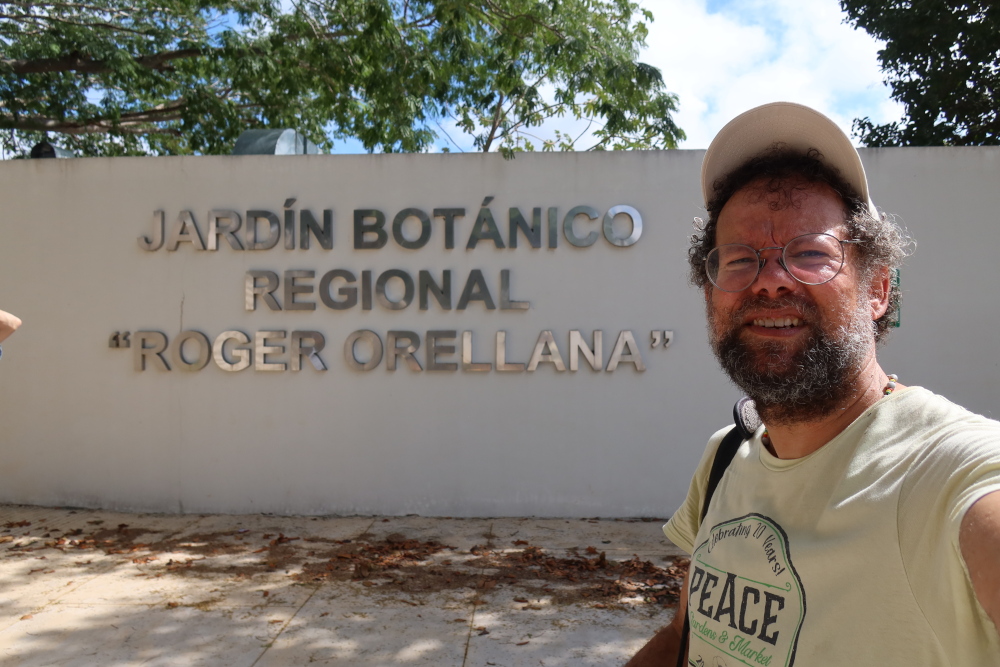
The Jardín Botánico Regional ‘Roger Orellana” was a total tour de force with an incredible amount of detailed signage, a lot of it related to ethnobotany and often in English, Mayan and Spanish. Specific gardens are set aside for various types of henequén, garden medicinals, native fruit trees, a meliponario apiary, water plants and more. They have an extensive collection of various species of the threatened Elephant Foots (Beaucarnea spp.). They also have some neat brochures and exhibitions of products. It is attached to and part of the botanical collections of the Centro de Investigacion de Yucatán (CICY) which also includes a herbarium of 79,000 specimens being the largest on the Peninsula and also a germplasm bank of native seeds. They also host a digital flora of the Yucatán.
Ruins
The ruins known as Uxmal, Izamal, and Tulum were the few of the many ruins located in the Yucatán visited on this trip. Chichén Itzá is probably the most famous but most of my travel companions had been there and done that and none were interested in the crowding that often comes with a place so globally famous.
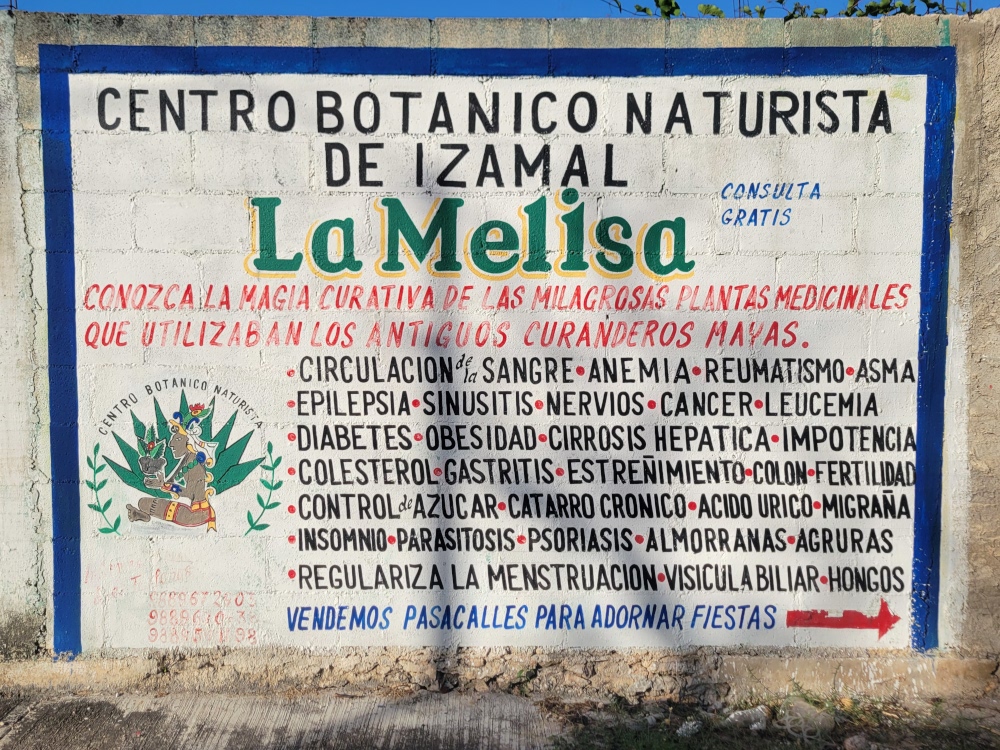
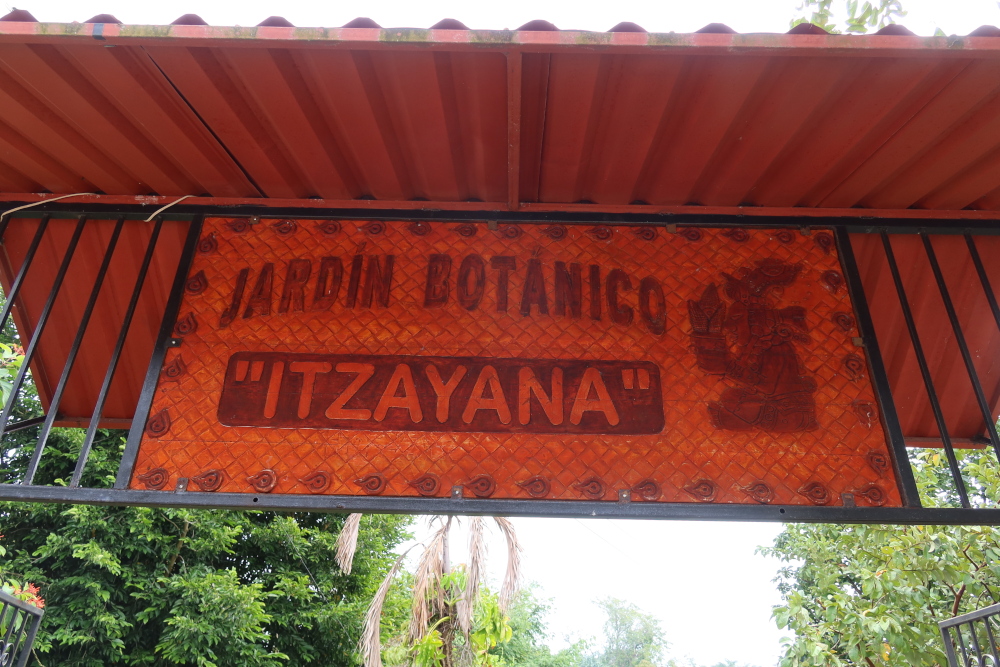
Izamal is a ruins that is free to enter and used to be huge but has largely given way for the development of its namesake city. It is home to an incredible museum of various artisan goods called the Centro Cultural y Artesanal Izamal. A couple places that specialized in medicinal plants in the area here include Centro Botánico Naturista De Izamal “la Melisa” and Plantas Medicinales Itzayana Jardin Botanico. There are also some other ruins including Kabul, Itzamatul, and El Conejo nearby as well. Our friends there stayed at Macan Che with beautiful gardens and art works. Some of the most amazing food of the whole tour was had at Maria 33 including the hot pink traditional beverage made from bougainvillea. Their motto is sabores con alma or flavors with soul, and they certainly live up to it!
The ruins at Tulum and surrounding area were the major focus for my citizen science through I-Naturalist on the trip resulting in 35 observations. A number of well-established projects on this platform are available to join as well including Biodiversidad de Quintana Roo, Biodiversidad en la Península de Yucatán, and P.N. Tulum Quintana Roo.
The Super Chedraui is also amazing there! A separate business that you can enter from outside or inside is called Black Shroom, and it has all kinds of cool beverages. Another place on the main strip is Soda Gourmet Beverages. The Raw Love Cafe is a popular food spot also on the main strip there.
The Tulum ruins are potentially confusing as you need at least two if not three tickets, technically one for the ruins and one for the park where it is and each about $5. Then there is the new Park of the Jaguar that is adjoining and connects to the Tren Maya. It wasn’t clear if this one was necessary to see the ruins but everybody seemed to be getting all three either way, and this one is about $25/person. It does seem clearly necessary to visit the new museum and possibly to go to the accessible beach outside the ruins proper which much fewer people seemed to frequent. These are pretty cool aspects of the experience though, and a free tram is available to get to the museum which is rather far from the ruins.
The ruins themselves are not that big and direct access is no longer allowed to any of the major structures. Either way, ideally get there by around 7:45 for the 8 opening and not on Sunday when locals get in discounted, and it is extra busy. It was chock full of hundreds of people by 9:30.
The bookstore at the ruins had hundreds of books but only one related to plants and ethnobotany. That said it was a dandy and one of the most special found on the whole trip connecting and deeply analyzing (though only in Spanish) the botanical traditions laid out in the sacred Mayan texts the Popol Vuh and various Books of Chilam Balams covering 176 plants in total (Pérez Martín et al., 2020).
The only other item related to ethnobotany in the Tulum ruins bookstore was another total gem. Tucked away in a cabinet with only one copy left was a 2024 calendar covering the Patrimonio Biocultural de México. It was put together by the Department de Medio Ambiente and specifically the Comision Nacional Para el Conocimiento y Uso de la Biodiversidad (CONABIO). It contains an astonishing array of fascinating ethnobiological information covering mostly plants but also dedicating one panel to fungi with the statement that 400 species in México are considered edible and also covering the use of insects like cochineal (Dactylopius coccus) for dye and grasshoppers (Thasus gigas) for food. Some plants covered include cotton (Gossypium hirsutum) known as ixcatl en Náhuatl and taman en Maya, cattails (Typha spp.) known by the common names chuspatas, chuspatel, espadañas, colas de gato, and tules and Acocoxóchitl (Dahlia spp.), which is the national flower. The information on yauhtli (Tagetes lucida) bridges the realm of the spiritual as related to the rain cult of Tláloc to the material as a flavorant, fragrant distillate, and natural dye as well as remedy for anxiety and stomach maladies.
One particularly interesting panel speaks to a multitude of uses for the resins of the many pines that grow in México including azteca (Pinus teocote), candelillo (P. tenuifolia), chamaite (P. montezumae), chimonque (P. leiophylla), coyote (P. pringlei), hortiguillo (P. lawsonii) ocote chino (P. herrerae), and pino ocote (P. oocarpa). Some applications listed include adhesives, funerary preparation, medicine, perfumes, and solvents.
All this information is a representation of what is available through the app, Enciclovida of México and the website https://www.biodiversidad.gob.mx/.
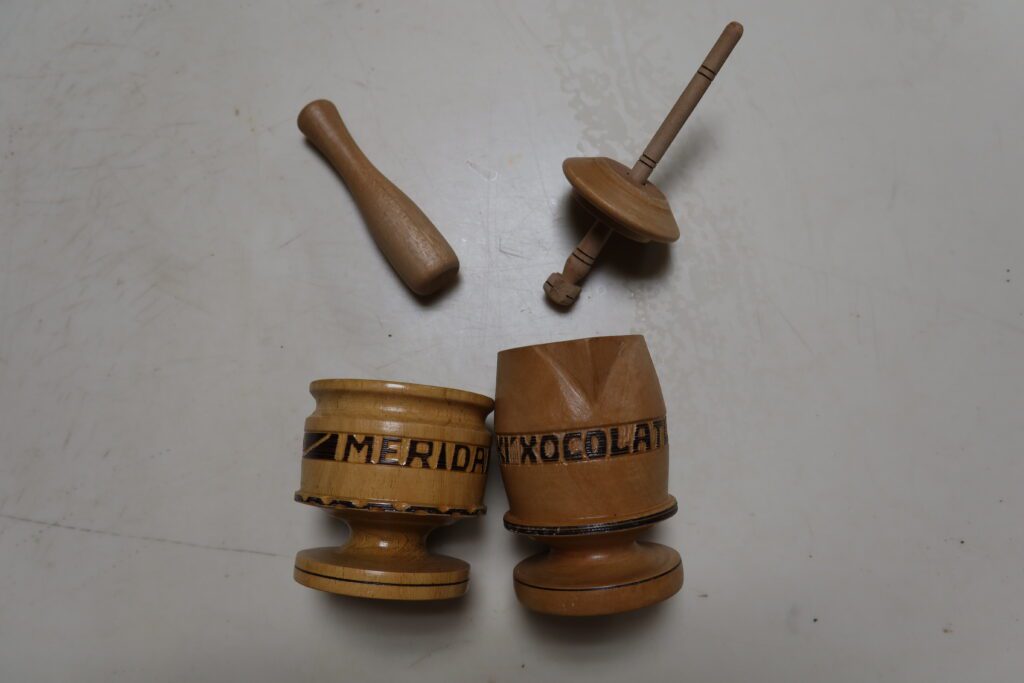
The ruins of Uxmal have an excellent bookstore with most of the commonly seen field guides as well as uncommonly seen and heretofore not cited (Cámara Roche, 2023).
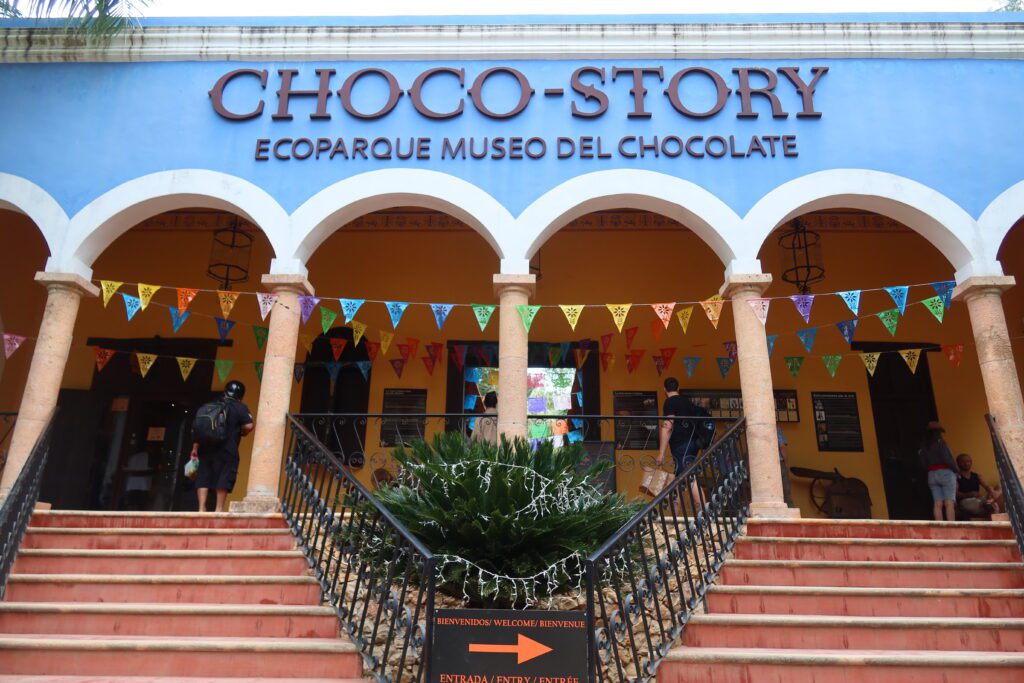
Also across from there is an extensive Chocolate Museum with a gift shop and a selection of some less commonly found guides (Aleksandroff, 2011). This book is one of the more readily available modern resources online for bibliophiles that want to get a jump start on the subject of Mayan ethnobotany. It covers 73 plants broken up into five categories including fruits of the jungle, garden plants, roadside plants, sacred plants, and trees of the forest as well as other tidbits of Mayan cosmology all featuring lovely graphics as well.
The bookstore at Uxmal has a number of great little dictionaries available and some other good nature books, too (Cámara Roche, 2023; Martínez Huchim & Gorostieta Monjaraz, 2018; Neumann, 2011).
The town of Mani is close to Uxmal and a hotbed for stingless bee production as well as the site of the destruction of 27 precious Mayan codices by a Catholic bishop who then replaced that endemic knowledge with his own interpretation (Landa, 2011). The visit there had a haunting quality due to that history centuries ago but it was so inspirational to visit an incredible Indigenous example of Mayan bee farming at U lu‘ umil Kuxtal Solar Maya also known as Pachpakal and the associated Kaab Cuatro Museo Vivo where they keep seven of the stingless bee species native to the Yucatán. They also have demonstrations of all sorts of sustainable living projects, lots of great interpretive signs, and lovely gifts from the bees in their shop.
Valladolid is a place not visited on this trip, but some major features there for folks interested in nature and anthropology include the Museo de Ropa Etnica de México, Xkopek Bee Farm and the Cenotes de Dzitnup that are also famous from this area.
Development and Risks
Tren Maya is a newly mostly completed billion dollar project that makes a circuit around the whole Yucatán and down to Palenque and the Chiapas region into the southwest of México. Numerous arguments have occurred during the construction regarding potential environmental and cultural impacts to biota, habitats, and archaeological sites. Now that the construction is mostly completed, the next challenge becomes managing the influx of tourism in an ecologically sustainable manner (Armijo et al., 2015).
Hurricanes are a perennial threat to the Yucatán and something that will probably only increase in importance as time progresses with climate change. Agriculture of the industrial sort in particular is always a threat as is mining. The need for ex-situ conservation and assisted migration in the face of climate change regarding temperate forest decline is another concern (Sáenz-Romero et al., 2020).
An assessment to the threats to endemic plants in the Yucatán has been carried out (Carnevali Fernández-Concha et al., 2021). Another study looks at the potential protection afforded to multiple species from a focus on the endangered lignum vitae (Guaicum sanctum) (Dávila et al., 2022). Copal is a resin product of several members typically of the Burseraceae family none of which is common in the Yucatán and could thereby be threatened by over harvest (Aleksandroff, 2011).
A study analyzing work on wild plant conservation in México in the 21st century showed the need for more work on the ground with implementation of conservation strategies and more interconnecting between people working in different disciplines (Dávila et al., 2022).
An International Union for the Conservation of Nature (IUCN) red listing has been conducted for the Mexican trees of the cloud forest. Included are some genera and their relatives that will be familiar for many folks each with multiple species that are threatened to varying degrees including Abies, Acer, Berberis, Cornus, Dendropanax, Oreopanax, Pinus, Populus, Rhamnus, Taxus, and Viburnum. (González-Espinosa, 2011).
México has also been assessed in the red listing of certain whole woody plant genera such as the magnolias (Magnolia spp.) and oaks (Quercus spp.). A number of threatened members are represented including 32 of the 164 species of Quercus known from México of which 100 are endemic (Carrero et al., 2020; Rivers et al., 2016). The oaks of the Americas Conservation Network have a special focus in this regard. México, having more oak species than anywhere in the world has been the focus of a number of specific studies including their biogeography, conservation priorities and propagation (Hipp et al., 2018; López-Mendoza et al., 2022; Rodríguez Acosta & Coombes, 2021; Torres-Miranda et al., 2011).
In total México has 3,620 recognized tree species of which 1,474 only grow there, and nearly 60% of those are threatened (Samain et al., 2023). This work all serves as part of a proposed global tree assessment currently underway (Hills et al., 2022).
Conclusion
If you go to the Yucatán with the goal of botanizing and learning medicinal plant traditions, then you are in luck! This essay has elucidated some of the best resources to get the most out of such an adventure. My hope is that this article will help fill a gap of current ethnobotanical knowledge especially in English for this legendary region.
Ethnobiologist Marc Williams has taught hundreds of classes about humans and their interface with other life forms. He has a B.A. in Environmental Studies/Sustainable Agriculture from Warren Wilson College and an M.A. in Appalachian Studies/Sustainable Development from Appalachian State University. Marc has over 20 years’ experience from various restaurants, farms, and travels throughout 30 countries and all 50 states in the USA. www.botanyeveryday.com, www.plantsandhealers.org.
References
Aguirre, C. A., & Tuyub, I. (2009). Mammals of the Yucatan Peninsula (J. U. Sanchez Velazquez, Ed.; 2nd ed.). Dante.
Aguirre de Riojas, R., & Pöll, E. de. (2007). Trees in the life of the Maya world. Botanical Research Institute of Texas.
Aleksandroff, S. (2011). Plants in the Mayan Culture: Traditional Remedies, Food and Art. Imago.
Aliphat, M. (Ed.). (2019). Chilam Balam of Ixil: Facsimile and Study of an Unpublished Maya book (L. Caso Barrera & Q. Pope, Trans.). Brill. https://brill.com/view/title/35670
Alonso-Hernández, N., Granados-Echegoyen, C., Zárate-Nicolás, B. H., Hinojosa-Garro, D., Loera-Alvarado, E., Landero-Valenzuela, N., Quiroz-González, B., Diego-Nava, F., Ordaz-Silva, S., López-Sánchez, I. V., & Carrazco-Peña, L. D. (2024). Endemic Yucatan Peninsula Plants with Pesticidal Potential: Herbarium-Based Literature Review. Plants, 13(24), 3583. https://doi.org/10.3390/plants13243583
Armijo, N., Castañeda, I., & Robledo Zaragoza, A. (2015). Evaluación de Género y Desarollo Sostenible en la Península de Yucatán, México. IUCN. https://portals.iucn.org/library/node/46362
Baena-Díaz, F., Chévez, E., & Porter-Bolland, L. (2023). ¿Qué sabemos de las abejas sin aguijón (Hymenoptera: Apidae, Meliponini) en México?: Diversidad, Ecología y polinización. ACTA ZOOLÓGICA MEXICANA (N.S.), 1–17. https://doi.org/10.21829/azm.2023.3912565
Bernard Menna, A. I., & Lozano Cortés, M. (2004). Las Bebidas Sagradas Mayas: El Balché y el Saká. https://doi.org/10.30827/Digibug.7271
Bourbon, F. (2000). The Lost Cities of the Mayas: The Life, Art, and Discoveries of Frederick Catherwood. Abbeville Press.
Calero, G. (2004). Hanal Pixán yesterday and today: The Mayan ritual of the dead. Editorial Dante, S.A. de C.V.
Cámara Roche, A. (2023). Diccionario Maya-Español-Inglés = Dictionary Quetzalcóatl-Kukulcán. publisher not identified.
Carlsen, W. (2017). Jungle of Stone: The Extraordinary Journey of John L. Stephens and Frederick Catherwood, and the Discovery of the Lost Civilization of the Maya. Mariner Books.
Carnevali Fernández-Concha, G., Ramírez-Morillo, I., Pérez-Sarabia, J. E., Tapia-Muñoz, J. L., Estrada Medina, H., Cetzal-Ix, W., Hernández-Aguilar, S., Can Itza, L. L., Raigoza Flores, N. E., Duno De Stefano, R., & Romero-González, G. A. (2021). Assessing the Risk of Extinction of Vascular Plants Endemic to the Yucatán Peninsula Biotic Province by Means of Distributional Data. Annals of the Missouri Botanical Garden, 106, 424–457. https://doi.org/10.3417/2021661
Carrero, C., Jerome, D., Beckman, E., Byrne, A., Coombes, A., Deng, M., Gonzalez Rodriguez, A., Van Sam, H., Khoo, E., Nguyen, N., Robiansyah, I., Rodriguez Correa, H., Sang, J., Song, Y.-G., Strijk, J., Sugau, J., Sun, W., Valencia-Avalos, S., & Westwood, M. (2020). The Red List of Oaks 2020. Morton Arboretum.
Carrillo Magaña, F. (1990). Glosario de terminologías Maya-Yucatecas referentes a la cría de abejas indígenas. Sostenibilidad Maya, Programa Meliponicultura Maya.
Carrillo Magaña, F. (2004). Meliponicultura: El Mundo de las Abejas Nativas de Yucatan (2nd ed.). Litho Art.
Castledine, D. B. (Ed.). (2023). Popol Vuh: The Sacred Book of the Ancient Mayas-Quiché (Revised). Monclem Ediciones.
Catherwood, F., Stephens, J. L., Jones, O., & Boys, T. S. (with Bourne, J. C., Moore, G. B., Parrott, W., Picken, A., & Warren, H.). (1844). Views of ancient monuments in Central America, Chiapas and Yucatan. F. Catherwood. http://catalog.hathitrust.org/api/volumes/oclc/4695914.html
Coe, M. D., & Houston, S. (2022). The Maya. Thames & Hudson.
CONABIO. (2025). Resultados: Balché. EncicloVida. https://enciclovida.mx/busquedas/resultados?utf8=%E2%9C%93&busqueda=basica&id=&nombre=Balche&button=
Cook, S. (2016). The Forest of the Lacandon Maya: An Ethnobotanical Guide. Springer.
Cortopassi-Laurino, M., Imperatriz-Fonseca, V. L., Roubik, D., Dollin, A., Heard, T., Aguilar, I., Venturieri, G., Eardley, C., & Nogueira-Neto, P. (2006). Global meliponiculture: Challenges and opportunities. Apidologie, 37, 275–292. https://doi.org/10.1051/apido:2006027
Crist, R. E. (1939). The Pulque Industry. Economic Geography. https://www.tandfonline.com/doi/abs/10.2307/141429
Cueva, S., & Bonilla Cazarín, R. (2020). Beverages of Oaxaca (1a ed.). Editorial Agua de Tiempo.
Dardón, M. J., & Enríquez, E. (2008). Caracterización fisicoquímica y antimicrobiana de la miel de nueve especies de abejas sin aguijón (Meliponini) de Guatemala. Interciencia, 33(12), 916–922.
Dávila, P., Soto-Trejo, F., Rodríguez-Arévalo, I., Ponce, A., Arias, S., Escalante, A., Téllez, O., Lira, R., Dávila, P., Soto-Trejo, F., Rodríguez-Arévalo, I., Ponce, A., Arias, S., Escalante, A., Téllez, O., & Lira, R. (2022). Wild plant conservation in México in the 21st century. Botanical Sciences, 100(SPE), 175–197. https://doi.org/10.17129/botsci.3066
Domenici, D. (2002). México: A Guide to the Archaeological Sites. Barnes & Noble Books.
Duke, J. A., Bogenschutz-Godwin, M. J., & Ottesen, A. R. (2009). Duke’s handbook of Medicinal Plants of Latin America. Taylor & Francis.
Escalante, A., López Soto, D. R., Velázquez Gutiérrez, J. E., Giles-Gómez, M., Bolívar, F., & López-Munguía, A. (2016). Pulque, a Traditional Mexican Alcoholic Fermented Beverage: Historical, Microbiological, and Technical Aspects. Frontiers in Microbiology, 7. https://doi.org/10.3389/fmicb.2016.01026
Euán, J. J. G. Q. (2005). Biología y uso de las abejas sin aguijón de la península de Yucatán, México (Hymenoptera, Meliponini). UADY.
Fernández-Conch, G. C., Tapia-Muñoz, J. L., Duno De Stefano, R., & Ramírez Morillo, I. M. (2010). Flora Ilustrada de la Península de Yucatán: Listado Florístico. CICY.
Garate, A. F. (Ed.). (2013). Artesanías de Yucatán (Primera edición). Editorial Dante.
Garcia-Arce, Z. P., & Castro-Muñoz, R. (2021). Exploring the potentialities of the Mexican fermented beverage: Pulque. Journal of Ethnic Foods, 8(1), 35. https://doi.org/10.1186/s42779-021-00111-6
Gates, W. (2000). An Aztec Herbal: The Classic Codex of 1552 (Unabridged). Dover Publications.
Gezelle, J. D. (2014). Q’eqchi’ Maya Reproductive Ethnomedicine. Springer.
González-Espinosa, M. (2011). The Red List of Mexican Cloud Forest Trees. Fauna & Flora International.
Gutiérrez-Uribe, J. A., Figueroa, L. M., Martín-del-Campo, S. T., & Escalante, A. (2017). Chapter 23—Pulque. In J. Frias, C. Martinez-Villaluenga, & E. Peñas (Eds.), Fermented Foods in Health and Disease Prevention (pp. 543–556). Academic Press. https://doi.org/10.1016/B978-0-12-802309-9.00023-6
Haas, A., & Sapieha, N. (1993). Gardens of México. Rizzoli.
Hayes, J. (2015). Abejas silvestres (Himenóptera: Apoidea) en la neblina: Análisis de la diversidad, interacciones, y potencial para miel en un remanente de bosque nublado. Independent Study Project (ISP) Collection. https://digitalcollections.sit.edu/isp_collection/2269
Hayes, Jen. (2015). Abejas silvestres (Himenóptera: Apoidea) en la neblina: Análisis de la diversidad, interacciones, y potencial para miel en un remanente de bosque nublado. SIT Digital Collections. http://digitalcollections.sit.edu/isp_collection/2269
Hills, R., Marfleet, K., Rivers, M., Beech, E., Barstow, M., Davies, K., Crowley, D., Kok, R., & Prance, G. T. (2022). Raising awareness through the Global Tree Assessment: Extinction risk of six fully assessed tree groups. Plants, People, Planet, 5. https://doi.org/10.1002/ppp3.10289
Hipp, A. L., Manos, P. S., González-Rodríguez, A., Hahn, M., Kaproth, M., McVay, J. D., Avalos, S. V., & Cavender-Bares, J. (2018). Sympatric parallel diversification of major oak clades in the Americas and the origins of Mexican species diversity. New Phytologist, 217(1), 439–452. https://doi.org/10.1111/nph.14773
Iakovleva, E. (2021). Cocina Silvestre guía práctica de reconocimiento uso gastronómico y medicinal de plantas silvestres selectas. Ecoval Ediciones.
Irigoyen, R. (2011). La hamaca, media luna del sueño = Hammock, crescent moon of dreams (Segunda edición). ProHispen, Área Maya.
Kolbert, E. (2014). The sixth extinction: An unnatural history. Henry Holt and Co.
Landa, D. de. (2011). An account of the things of Yucatan: Maya culture as seen by the bishop of Yucatán in 1566 (2nd ed.). Editorial Dante.
Lentz, D. L., & Dickau, R. (2005). Seeds of Central America and southern México: The economic species. New York Botanical Garden Press.
Lesur, L. (2017). Arboles de México (2a ed.). Editorial Trillas.
Lira, R., Casas, A., & Blancas, J. (Eds.). (2016). Ethnobotany of México: Interactions of People and Plants in Mesoamerica. Springer.
Litzinger, W. J. (1983). The ethnobiology of alcoholic beverage production by the Lacandon, Tarahumara, and other aboriginal Mesoamerican peoples [Dissertation]. University of Colorado.
López-Mendoza, A., Oyama, K., Pineda-García, F., & Aguilar-Romero, R. (2022). Defining Conservation Priorities for Oak Forests in Central México Based on Networks of Connectivity. Forests, 13(7), Article 7. https://doi.org/10.3390/f13071085
Lundell, C. L., Woodson Jr., R. E., Smith, L. B., Moldenke, H., N., Epling, C., O’Neill, H., Gleason, H. A., & Siebert, R. J. (1940). Botany of the Maya area; Miscellaneous papers XIV-XXI. Carnegie Institution of Washington.
MacKinnon, B. (2024). Sal a Pajarear Yucatán: [Guía de Aves] (2nd ed.). La Vaca Independiente.
Martín Briceño, C. (2024). Cocina Yucateca: Crónicas de Infancia y Recetas de mi Madre (1a. Edición). Gobierno del Estado de Yucatán, Secretaría de la Cultura y las Artes de Yucatán ; Ficticia Editorial.
Martínez Huchim, A. P., & Gorostieta Monjaraz, C. (2018). Diccionario Maya Ilustrado: Español-Maya, Maya-Español (1a ed.). Dante.
Michenot, F., Hinostroza, I., Guinvarc’h, R., & Thirion-Lefevre, L. (2024). Identification of Maya ruins covered by jungle using Sentinel-1. Scientific Reports, 14(1), 3293. https://doi.org/10.1038/s41598-024-53068-2
Millspaugh, C. F., & Chase, A. (1903). Plantæ Yucatanæ. (Regionis Antillanæ): Plants of the Insular, Coastal and Plain Regions of the Peninsula of Yucatan, México.
Morgan, J. V., Bralower, T. J., Brugger, J., & Wünnemann, K. (2022). The Chicxulub impact and its environmental consequences. Nature Reviews Earth & Environment, 3(5), 338–354. https://doi.org/10.1038/s43017-022-00283-y
Morton, J. F. (1981). Atlas of Medicinal Plants of Middle America: Bahamas to Yucatan. Charles C Thomas Pub Ltd.
Murguía-Romero, M., Ortiz, E., Serrano-Estrada, B., Villaseñor, J. L., Murguía-Romero, M., Ortiz, E., Serrano-Estrada, B., & Villaseñor, J. L. (2023). The Kew’s “World Checklist of Vascular Plants” and its relevance to the knowledge of the flora of México. Botanical Sciences, 101(2), 632–653. https://doi.org/10.17129/botsci.3223
Nabhan, G. P., & Piñera, D. S. (2023). Agave Spirits: The Past, Present, and Future of Mezcals. W. W. Norton & Company.
Neumann, E. L. (with Rodriguez, G.). (2011). Common Birds of the Yucatan Peninsula. Editorial Dante S.A.
Pérez Martín, C., Escalante Rebolledo, S., Vergara Yoisura, S., & Larqué-Saavedra, A. (2020). Las plantas de los libros sagrados mayas: Popol Vuh (Pop Wuj) y Chilam Balam. Universidad Nacional Autónomo de México ; Centro de Investigación Científica de Yucatán.
Pérez-Sarabia, J. E., Duno de Stefano, R., Carnevali Fernández-Concha, G., Ramírez Morillo, I., Méndez-Jiménez, N., Zamora-Crescencio, P., Gutiérrez-Báez, C., Cetzal-Ix, W., Pérez-Sarabia, J. E., Duno de Stefano, R., Carnevali Fernández-Concha, G., Ramírez Morillo, I., Méndez-Jiménez, N., Zamora-Crescencio, P., Gutiérrez-Báez, C., & Cetzal-Ix, W. (2017). El conocimiento florístico de la Península de Yucatán, México. Polibotánica, 44, 39–49. https://doi.org/10.18387/polibotanica.44.3
Qian, H., Zhang, J., & Zhao, J. (2022). How many known vascular plant species are there in the world? An integration of multiple global plant databases. Biodiversity Science, 30(7), 22254. https://doi.org/10.17520/biods.2022254
Quintal, R. B., & Roubik, D. W. (2013). Melipona Bees in the Scientific World: Western Cultural Views. In P. Vit, S. R. M. Pedro, & D. Roubik (Eds.), Pot-Honey: A legacy of stingless bees (pp. 247–259). Springer. https://doi.org/10.1007/978-1-4614-4960-7_17
Ratsch, C., & Hofmann, A. (2005). The Encyclopedia of Psychoactive Plants: Ethnopharmacology and Its Applications. Park Street Press.
Real-Luna, N., Rivera-Hernández, J. E., Alcántara-Salinas, G., Rojas-Malavasi, G., Morales-Vargas, A. P., Pérez-Sato, J. A., Real-Luna, N., Rivera-Hernández, J. E., Alcántara-Salinas, G., Rojas-Malavasi, G., Morales-Vargas, A. P., & Pérez-Sato, J. A. (2022). Las abejas sin aguijón (Tribu Meliponini) en los agroecosistemas de América Latina. Revista mexicana de ciencias agrícolas, 13(2), 331–344. https://doi.org/10.29312/remexca.v13i2.2866
Rivers, M., Beech, E., Murphy, L., & Oldfield, S. (2016). The Red List of Magnoliaceae (Revised). Richmond, Surrey, UK: Botanic Gardens Conservation International (BGCI). https://bvearmb.do/handle/123456789/4649
Rodríguez Acosta, M., & Coombes, A. J. (Eds.). (2021). Manual para la Propagación de Quercus: Una guía fácil y rápida para Cultivar Encinos en México y America Central. Jardin Botanico Universitario de la Benemerita Universidad Autonoma de Puebla.
Rodríguez Galicia, J. (Ed.). (2022). Popol Vuh (Versión íntegra ilustrada). Editores Mexicanos Unidos, S.A.
Roubik, D. W. (2023). Stingless Bee (Apidae: Apinae: Meliponini) Ecology. Annual Review of Entomology, 68(Volume 68, 2023), 231–256. https://doi.org/10.1146/annurev-ento-120120-103938
Roubik, D. W., & Hanson, P. E. (2004). Abejas de orquídeas de la América tropical: Biología y guía de campo / Orchid Bees of Tropical America: Biology and Field Guide (1st ed.). Editorial INBio.
Roys, R. L. (1931). The Ethno-botany of the Maya. Institute for the Study of Human Issues.
Roys, R. L. (1967). The Book of Chilam Balam of Chumayel: Literature of the Yucatan Mayans; the Religion, Calendar and Legends of the Maya Civilization. Pantianos Classics.
Sáenz-Romero, C., Mendoza-Maya, E., Gómez-Pineda, E., Blanco-García, A., Endara-Agramont, A. R., Lindig-Cisneros, R., López-Upton, J., Trejo-Ramírez, O., Wehenkel, C., Cibrián-Tovar, D., Flores-López, C., Plascencia-González, A., & Vargas-Hernández, J. J. (2020). Recent evidence of Mexican temperate forest decline and the need for ex situ conservation, assisted migration, and translocation of species ensembles as adaptive management to face projected climatic change impacts in a megadiverse country. Canadian Journal of Forest Research, 50(9), 843–854. https://doi.org/10.1139/cjfr-2019-0329
Samain, M.-S., Guzmán Díaz, S., Machuca Machuca, K., Dolores Fuentes, A. C., Zacarías Correa, A. G., Valentín Martínez, D., Aldaba Núñez, F. A., Redonda-Martínez, R., Oldfield, S. F., & Martínez Salas, E. M. (2023). Meta-analysis of Red List Conservation Assessments of Mexican Endemic and near Endemic Tree Species Shows Nearly two thirds of These are Threatened. PLANTS, PEOPLE, PLANET, 5(4), 581–599. https://doi.org/10.1002/ppp3.10308
Sánchez, O., & Islebe. (2000). El Jardín Botánico Dr. Alfredo Barrera Marín. Fundamento y estudios particulares. CONABIO, ECOSUR.
Sánchez Sánchez, C. D., Velázquez Ríos, P., & Alvarado-Cárdenas, L. O. (2023). 2022, Un Año Récord en Descubrimientos Botánicos Para México. Macpalxóchitl, 3(2), 34–42.
Standley, P. (1920). Trees and Shrubs of México,Contained in Contributions from the United States National Herbarium, Volume 23, Issue 1-5 (Vol. 23). Smithsonian Institution, Washington.
Standley, P. C. (1930). Flora of Yucatan. Field Museum of Natural History.
Stepp, J. R. (2018). Ethnoecology and Medicinal Plants of the Highland Maya (1st ed. 2018 edition). Springer.
Stuppy, W., Kesseler, R., & Harley, M. M. (2014). Wonders of the Plant Kingdom: A Microcosm Revealed. The University of Chicago Press.
Torres-Miranda, A., Luna-Vega, I., & Oyama, K. (2011). Conservation biogeography of red oaks (Quercus, section Lobatae) in México and Central America. American Journal of Botany, 98(2), 290–305. https://doi.org/10.3732/ajb.1000218
Valdivieso Solís, D. G., Vargas Escamilla, C. A., Mondragón Contreras, N., Galván Valle, G. A., Gilés-Gómez, M., Bolívar, F., & Escalante, A. (2021). Sustainable Production of Pulque and Maguey in México: Current Situation and Perspectives. Frontiers in Sustainable Food Systems, 5. https://doi.org/10.3389/fsufs.2021.678168
Valenzuela-Zapata, A. G., & Nabhan, G. P. (2004). Tequila: A Natural and Cultural History. University of Arizona Press.
Vermeer, J. (2023). Wonderland the Secret World of Mushrooms: Die Geheimnisvolle Welt der Pilze. teNeues. http://deposit.dnb.de/cgi-bin/dokserv?id=bdcac20aa22040e99e2fae1392809647&prov=M&dok_var=1&dok_ext=htm
Villanueva-G, R., Roubik ,David W, & and Colli-Ucán, W. (2005). Extinction of Melipona beecheii and traditional beekeeping in the Yucatán peninsula. Bee World, 86(2), 35–41. https://doi.org/10.1080/0005772X.2005.11099651
Villanueva-Gutierrez, R., Buchmann, S., Donovan, A. J., & Roubik, D. (2014). Crianza y Manejo de la Abeja Xunancab en la Peninsula de Yucatan.
Villanueva-Gutierrez, R., González, C., Roubik, D., & Moguel Ordóñez, Y. (2014). Transgenic soybean pollen (Glycine max L.) in honey from the Yucatán peninsula, México. Scientific Reports, 4, 4022. https://doi.org/10.1038/srep04022
Villanueva-Gutiérrez, R., Roubik, D. W., Colli-Ucán, W., Güemez-Ricalde, F. J., & Buchmann, S. L. (2013). A Critical View of Colony Losses in Managed Mayan Honey-Making Bees (Apidae: Meliponini) in the Heart of Zona Maya. Journal of the Kansas Entomological Society, 86(4), 352–362. https://doi.org/10.2317/JKES130131.1
Villaseñor, J. L. (2016). Checklist of the Native Vascular Plants of México. Revista Mexicana de Biodiversidad, 87(3), Article 3. https://doi.org/10.1016/j.rmb.2016.06.017
Vit, P., Pedro, S. R. M., & Roubik, D. (2013). Pot-Honey: A legacy of stingless bees. Springer New York.
Watabe, N. (2024). Estado de Hongos. Novo.
Wauer, R. H. (1992). Naturalist’s México (1st ed). Texas A & M University Press.
Webb, E. (2024). Cultivar Setas en Casa; Guia Completa para Conocer, Cultivar y Amar los Hongos. NATURART, S A. https://public.ebookcentral.proquest.com/choice/PublicFullRecord.aspx?p=31534356
Youmans, M. (1997). Catherwood. Avon Books.