By Vanessa Chakour

Early in 2020, I began a retreat into my own creative cocoon to work on my upcoming book, Awakening Artemis. I unplugged, pulled back, and entered my own world and invited memories to come through me, calling forth the experiences that wanted to be processed or celebrated on the page. I was around few humans in Western Massachusetts and the Scottish Highlands where I wrote the bulk of the book, but I never felt alone. In solitude, I listened to the land and one by one, invited each of the twenty-four plants in the book to speak to me, so that through my writing, I could give them a voice. I reflected on fungi like chaga (Inonotus obliquus) and spent time with them, deepening a feeling of intimacy. And as I sat with each plant in their chosen habitat, I meditated on their relationships, too.
Chaga is not the fruiting body of a mushroom, but a medicinal mass of mycelium known as a sclerotia, and unlike most mushrooms, chaga is a polypore, a fungus with pores instead of gills. Rather than growing in soil, chaga prefers birch trees, pioneers that grow quickly on the devastated land, creating conditions and habitat for other woodland species to thrive. The rapid life cycle of the tree pushes upward fast causing them to fall, rot, and break easily, and in collaboration with the fungi, their rotting creates more fertile ground for generations to come.

In the Scottish Highlands the birch trees adorned with chaga appear to be thriving. The mushroom has grown on areas where trees have been wounded, creating a strong poultice. I believe they are helping, but when the birch gets too old, the chaga, perhaps altruistically, will consume them. Some argue that chaga’s relationship with birch is parasitic, while others say the relationship is symbiotic and that chaga helps heal the tree’s wounds. Protectiveness itself can become smothering, so it’s no wonder people debate whether chaga is good or bad for the birch. We all need a healthy balance of intimacy and solitude in order to thrive.
Beithe or birch is the first symbol of the Ogham alphabet, representing the letter ‘B’, and ancient birch woodlands are immortalized in many Gaelic place names such as Glen an Beithe, Allt Beithe, and Beith in Ayrshire; the old name of ‘birk’ also appears in many parts of Scotland. The tree has been an ally to people in the cold north for thousands of years with uses from adhesives to baskets, boats, vinegar, spirits, and medicine. In early spring before the leaves unfurl, the tree’s abundant birch sap can be used for irrigation therapy to flush and reinvigorate the body after winter. The birch tree can continue living for many years while mounds of chaga adorn her trunk, just as we can survive and even thrive while adorned with scars from old wounds. Whatever they go through in their partnership, the combination of the two is potent, and chaga, in the most medicinal form, does not exist without the birch tree.
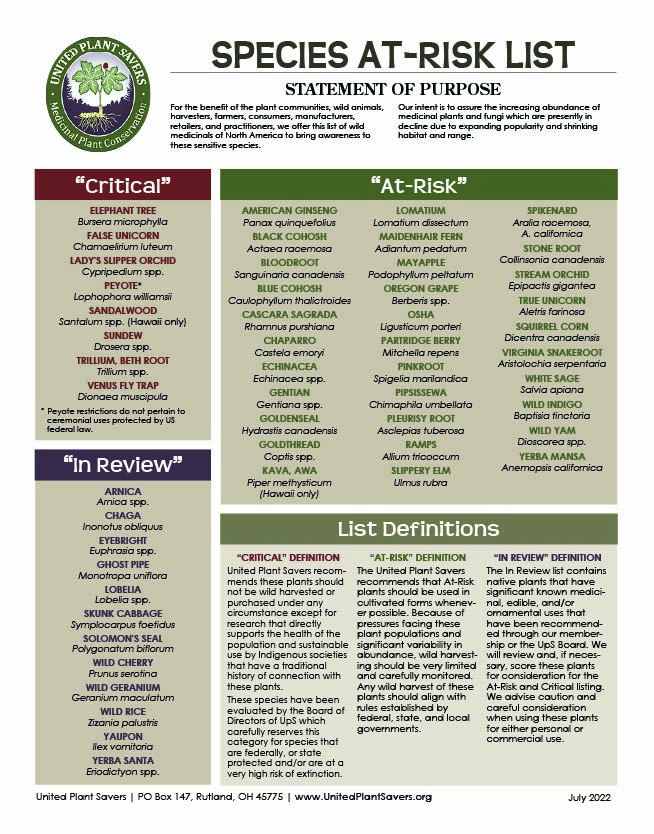
Chaga is a slow growing species, taking 3-5 years to fully form, and because of that, when I gather chaga for medicine (provided I have permission from the fungi, tree, and land) I leave plenty on the tree and only take as much as I need. The dark hyphal mass of Chaga intertwines with its host tree to form a unique fungal and tree interaction. The mushroom has the appearance of an irregular, cracked mass of burnt charcoal and when harvested, I find a beautiful color of rust inside. In my small muslin bag, the chaga I recently harvested looks and feels like a pouch of gold.
The name “Chaga” is the Russian word for mushroom in the language of indigenous people living west of the Ural Mountains and is deemed “The Mushroom of Immortality” by Siberian Russian Shamans. A powerful adaptogen, this mycelial mass helps bring the body into balance through beneficial effects on the nervous system. Chaga is an effective cancer treatment that became widely known when Russian author Alexander Solzhenitsyn wrote about the healing powers in his 1968 semi-autobiographical novel, The Cancer Ward. The novel follows the work of Sergey N. Maslennikov, a Russian doctor who noted that he didn’t have any cancer patients among the peasants he treated who saved money on buying tea by harvesting and brewing chaga. He felt they had unknowingly (or maybe knowingly) been preventing and treating cancer for centuries. In order to test his theory, he began treating willing cancer patients only with the varied extractions made from chaga. His notebooks record the results of ideal methods of medicinal extraction and dosage and of his treatment of cancer with chaga, with many patients making full recoveries. Chaga has been an approved anti-cancer drug in Russia since 1955. It’s important to note that the most important components of the chaga are the predigested betulinic acid derivatives and melano-glucan complexes from the birch tree. The mycelial mass is also a strong source of vitamin D, which is helpful for the long, dark winters here in Scotland and the other cold climates where this being lives.

In the best circumstances both a fungus and their host benefit from the relationship— the fungus colonizes the host’s root tissues, improving their moisture and nutrient absorption capabilities, and in exchange, the host plant provides the fungus with carbohydrates produced through photosynthesis. The fungi also provide greater connectivity with the larger forest web, which in turn, helps the forest function as one unified ecosystem. Mushrooms also help by breaking down organic matter as they draw food and nutrients from decaying plants, dead animal bodies, and trees; making the nutrients available to the forest community.
Like chaga and birch, each of us contains the stories and memories of those we love. Some stories and experiences are harder to digest and compost, and sometimes they are one-sided making a relationship parasitic instead of healing. I’m fortunate that I’ve come to enjoy my own company, and even when I didn’t, I understood it was necessary to be comfortable with myself before I could be completely comfortable with anyone else. I need a healthy balance of partnership, solitude, and intimacy in order to thrive. Through writing, visual art, or movement, I’ve learned (and do my best) to digest my own pain instead of unloading or projecting it onto others. And there are times when loved ones and I process pain together. One of us will lean in and let go, while the other stands strong in an ever-evolving dance of symbiosis. Relationships offer a web of connection to catch us and to hold us even in periods of solitude. Even where we’re alone, we are tethered to others.

About Vanessa Chakour
Vanessa Chakour is the founder of Sacred Warrior—a multidisciplinary educational and experiential “school” offering plant medicine, martial arts, wildlife conservation, and meditation through courses, workshops, and retreats. Her book, Awakening Artemis: Deepening Intimacy with the Living Earth and Reclaiming Our Wild Nature will be released in December 2021 and available for presale this summer. It is equal parts memoir, self-development guide, and love letter to the Earth. You can find her at vanessachakour.com.