By Rachel Thomas
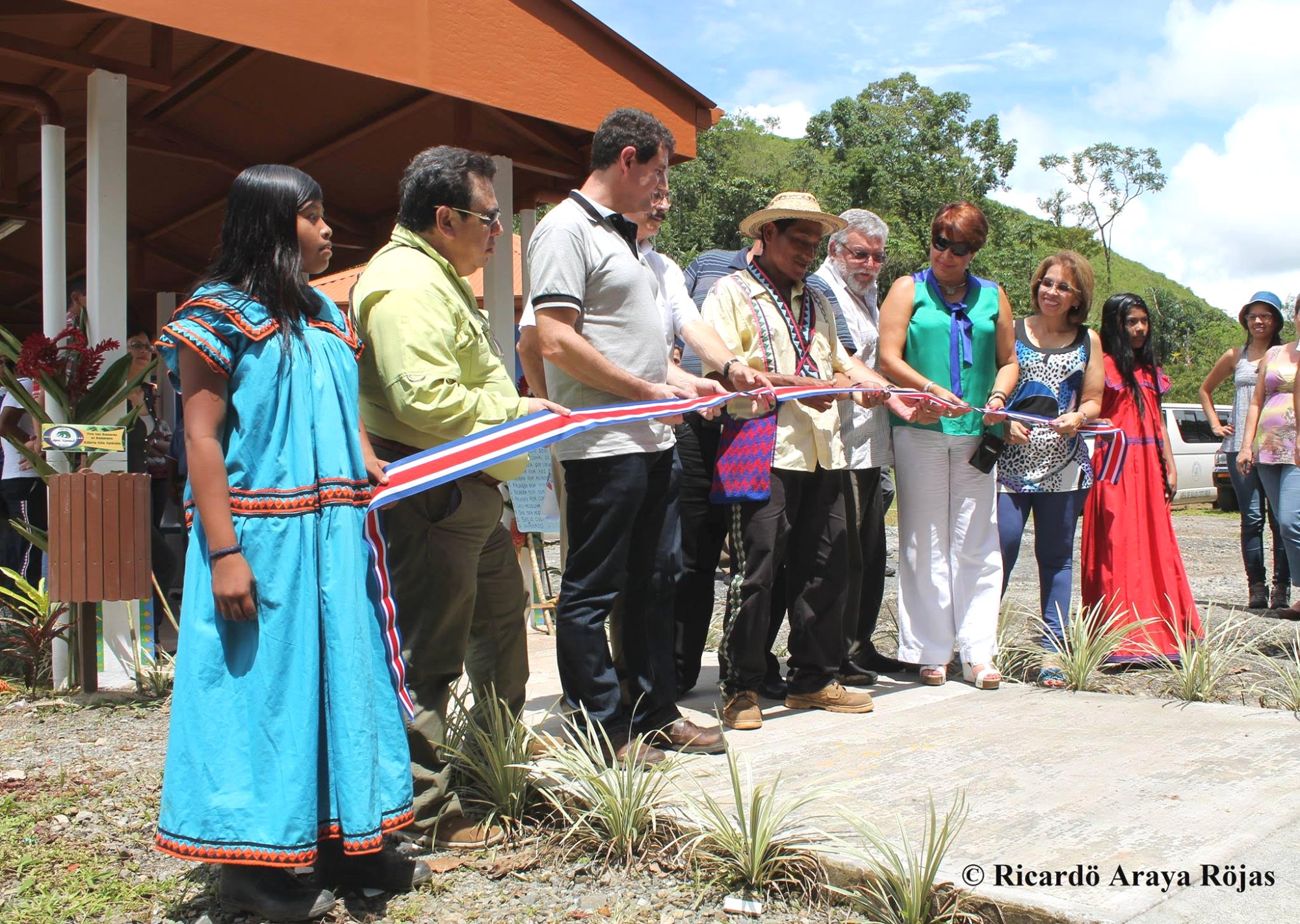
This article is dedicated to my friend and a great hero, Dr. Pablo Ortiz Roses. Many thanks to the photographers for donating their beautiful pictures.
Dr. Pablo Ortiz Roses was born in Cartago, Costa Rica in 1953. After having the unique opportunity to study medicine in the Ukraine, Dr. Ortiz returned to his homeland. He chose to work for the public health service in Coto Brus, a remote area near the western Panama border, far from the urban center that he was used to. At that time, it was common for people to deny that there were any Indigenous tribes left in Costa Rica.
When he arrived in Coto Brus, Dr. Ortiz discovered the true situation of the Ngöbe-Buglé tribe. They are one of many ethnic groups native to Costa Rica who now refer to themselves as Indigenous. They are all battling to conserve their own languages and traditions. Like many First Nations in other countries, they have faced discrimination, land loss, extreme poverty, cultural assimilation, and inferior social services. Even within their independent territories, the national board of health controls birthing, funerary practices, and an intense campaign to promote allopathic versus traditional medicine.
Dr. Ortiz was deeply impacted by social injustice and the poor living conditions of the Ngöbe-Buglé people. As a doctor, he witnessed an epic gap in communication between medical staff and their patients. Beyond the linguistic translation, Dr. Ortiz saw a barrier that was created by the cultural differences on both sides.
In an incredible interview with Costa Rica’s online radio show Pura Vida Sur (2023), Dr. Ortiz shared a story about why local people called the doctors vampires. He describes how doctors used to arrive in helicopters, line up the Indigenous people, take their blood without saying why, and leave. Dr. Ortiz discovered evidence of the research excursions which took place before protocols relating to patient authorization. That experience was a great inspiration for him to bridge the gap and heal the relationship between the community and the medical field.
Dr. Ortiz dedicated himself to reframing the role of doctor in the community. He opened a dialogue with his patients, listened to their stories, visited them in their remote homes, and tried to put himself in their shoes. He recognized the impacts of colonization and institutional marginalization on their lives, and he respected their vibrant ancestral culture. When Dr. Pablo connected with Ngöbe-Buglé leader, Cacique Pedro Bejarano Palacios, they envisioned together an integrative methodology where their two healing traditions could work side-by-side.
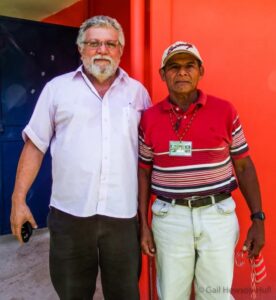
Ngöbe Medicinal Plant Healer
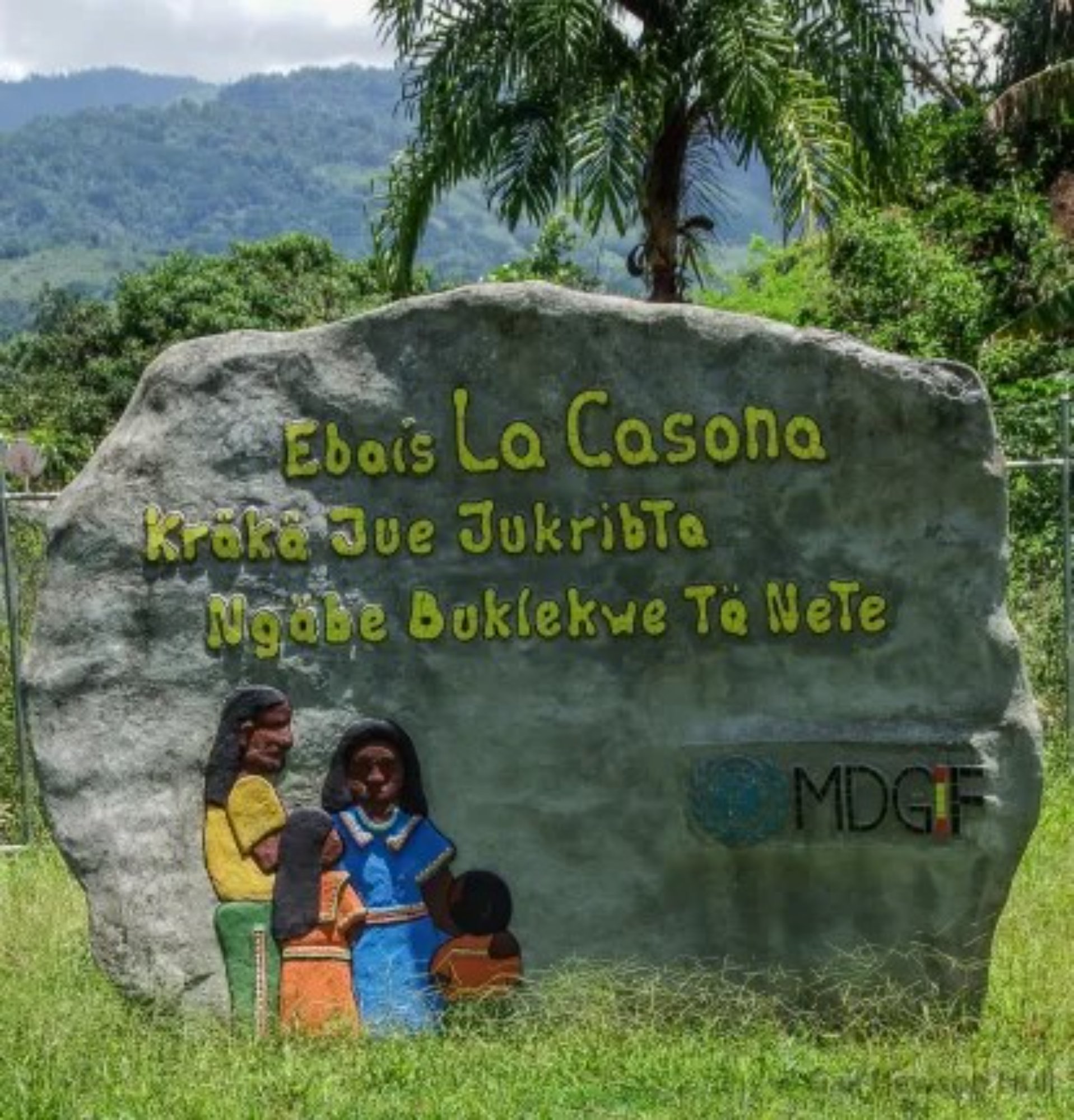
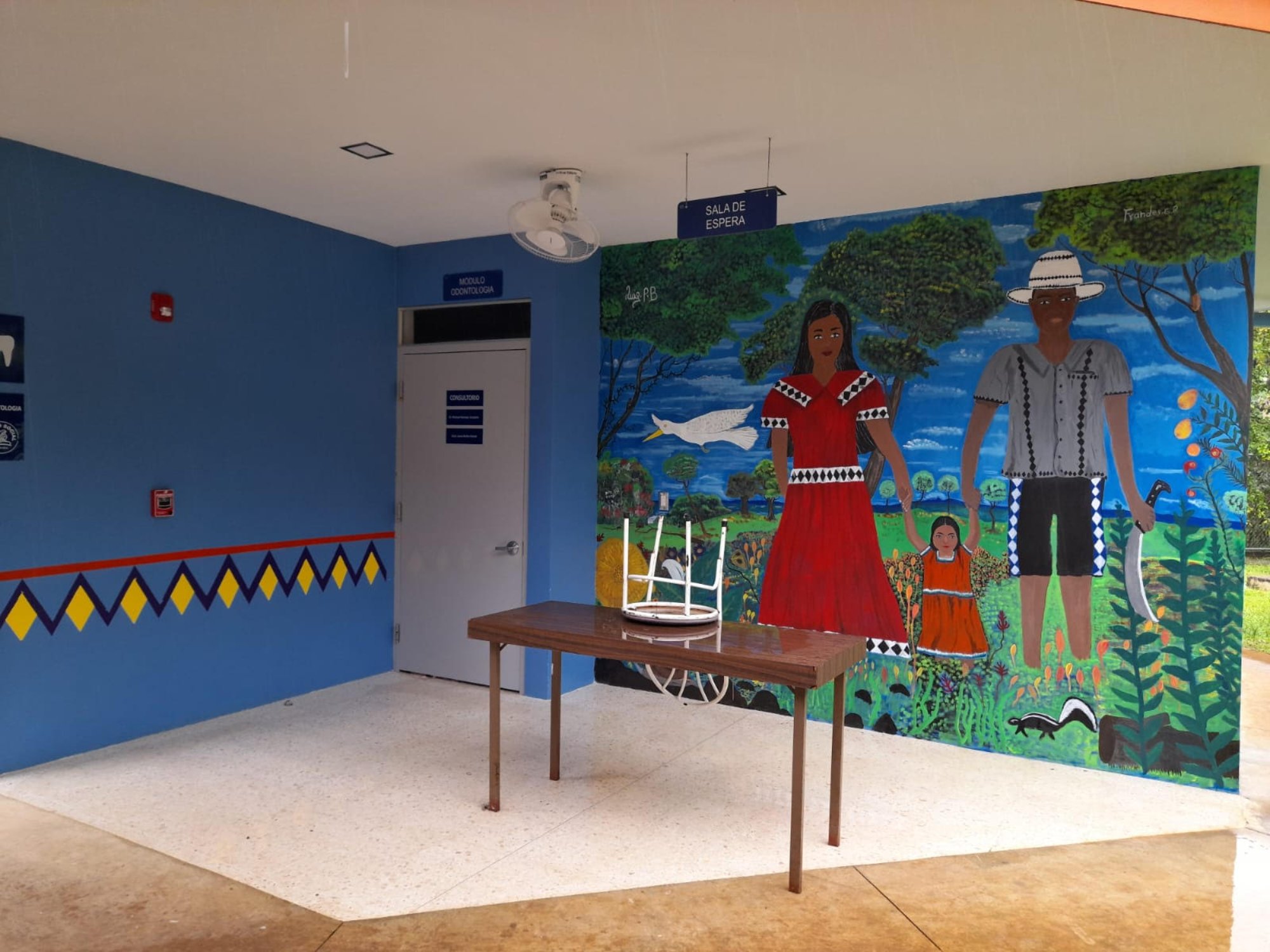
As the Director of Health for Coto Brus County, Dr. Ortiz was able to signifi cantly alter the path of public health in the community. He created an outstanding public health clinic (called an EBAIS) in the Indigenous Territory of La Casona. This clinic at La Casona was like no other in Costa Rica, designed and created together with the local community members. The goal of the clinic was to create a space that felt comfortable to the patients, where they could feel represented, share their culture, and receive public health services. Patients could choose to see an allopathic doctor or an Indigenous healer, or both.
Here are some of the key components which Dr. Ortiz and his team included in their integrative clinic model:
Cultural Inclusion & Preservation – Indigenous practitioners and their healing modalities were included in the clinic’s offerings. Women could choose to have a traditional midwife at their birth, sharing ancestral knowledge about labor positions, massage, herbal medicine, and spiritual guidance. Patients could choose to share their medical concerns with the Ngöbe-Buglé healer, who would take time to listen to the whole situation, possibly analyzing dreams or considering spiritual, mental, social or cosmological factors.
Medicinal Plant Garden – The garden served to conserve and promote the safe use of important plants from the Ngöbe-Buglé medicinal traditions.
Clothing – Hospital gowns and staff uniforms at the clinic mimic the bright colors and embroidery styles of the Ngöbe- Buglé clothing. Even local school uniforms refl ected these traditional patterns.
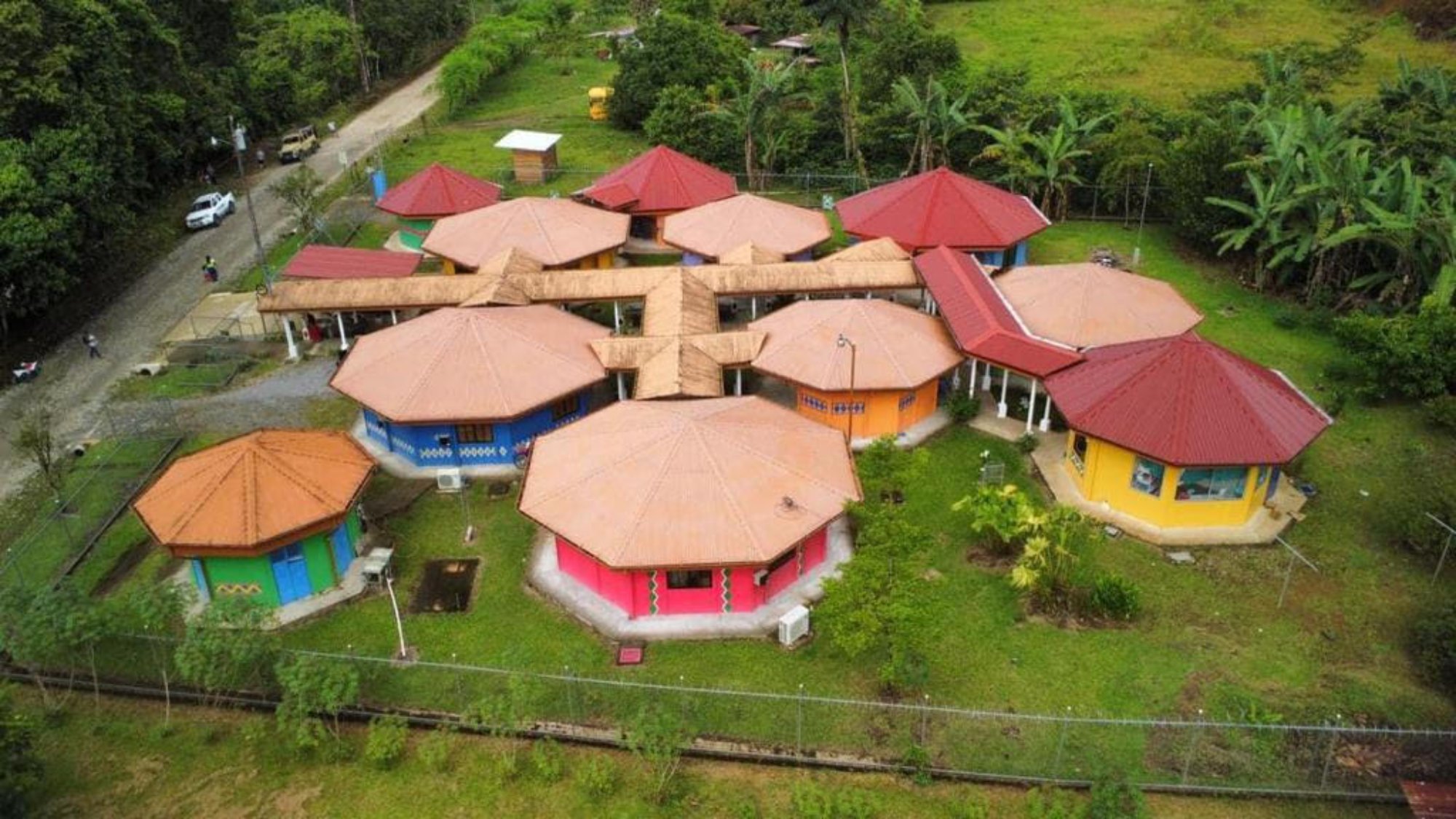
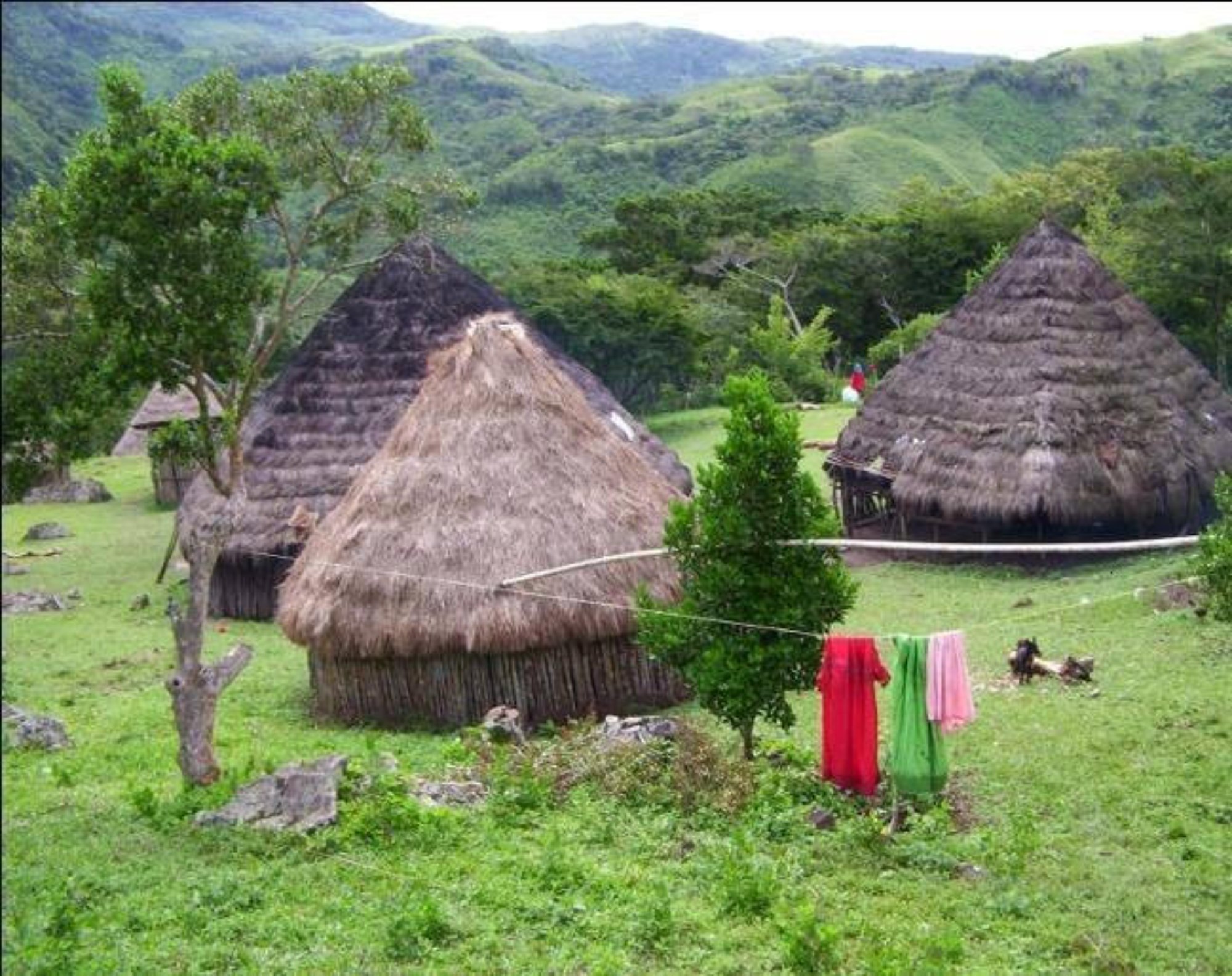
Architecture – The clinic was built as a series of small, octagonal buildings around a communal space, mimicking the design of a local tribal village.
Decoration – The buildings were brightly colored and contain Indigenous paintings and designs.
Staff Training – From 2007 to 2009, Dr. Ortiz created a program to train Indigenous healers to join the staff at the public clinic. The clinic promoted educational programs for the community and trained public health workers in intercultural understanding.
Advocacy – Dr. Ortiz always advocated for the people that he served, within the public health system as well as politically, economically and socially. He brought the needs of his remote community to the attention of others in Costa Rica.
Administration – In addition to providing a space for Indigenous healers to work and teach, general design and administrative decisions included input from the local community and clinic visitors. External funding sources were found to cover programs costs that exceeded the public health budget.
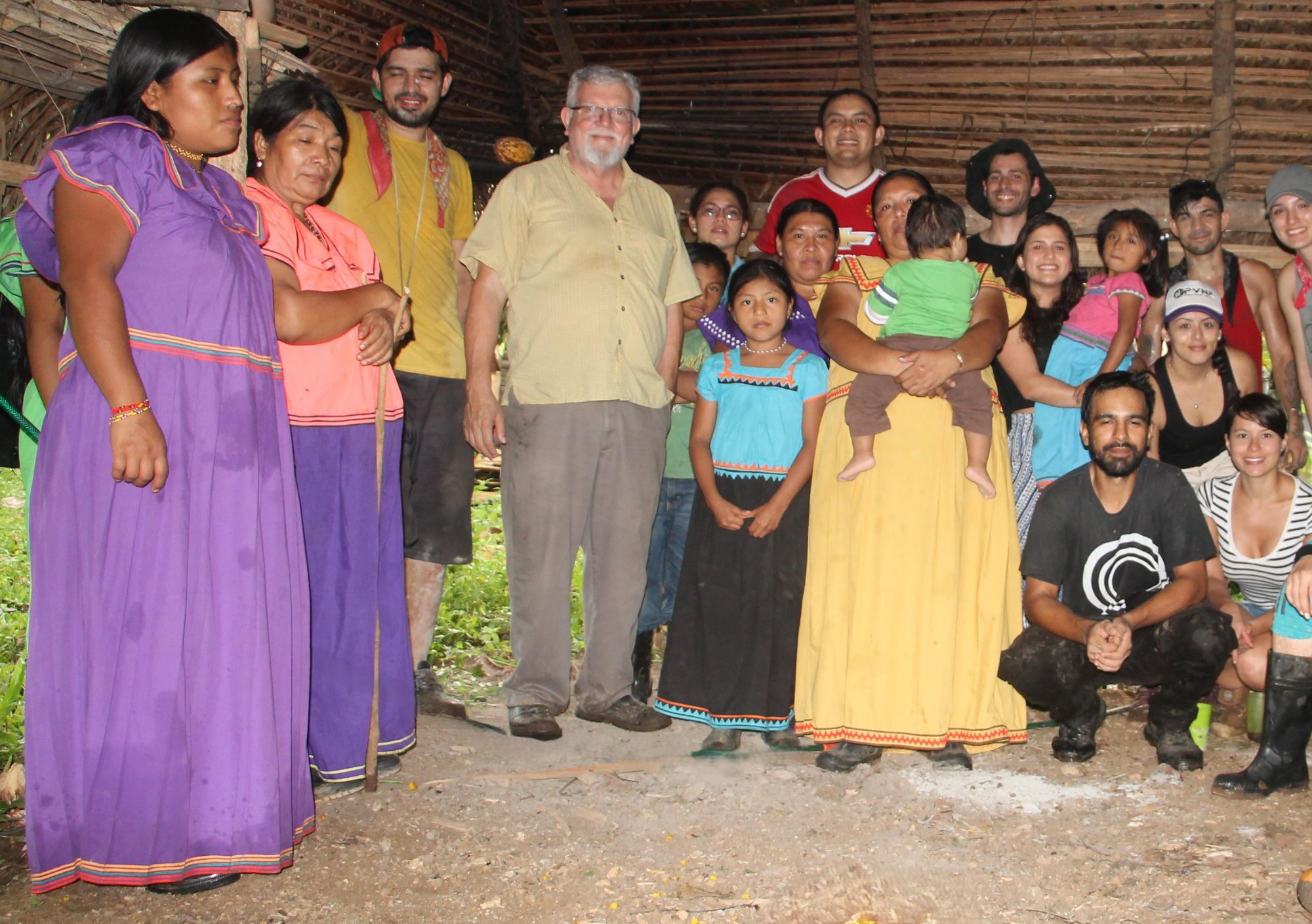
Community – Instead of limiting itself to providing only health care, the clinic served as a center for the community, combatting social isolation and providing opportunities for members to grow supportive relationships. The clinic also offered toiletries, umbrellas, and other basic necessities that help support and link to the local residents. By building a health center which welcomed the Ngöbe- Buglé people, Dr. Ortiz was able to provide them with urgent medical attention and other wellness services. More Dr. Pablo Ortiz, left, with Don Alejandro Salomon Palacios, Ngöbe Medicinal Plant Healer La importantly, he demonstrated that there is an important place for traditional medicine within public health services. These ideas about intercultural understanding have spread to some other medical installations in Costa Rica, including a few who have decorated with Indigenous artwork.
Integrative programs like the one at La Casona are not common, but some do exist in the Americas. They may include infusing traditional strategies into public health services, helping medical staff to bridge cultural gaps or increasing community confi dence in allopathic medicine. Some address nutritionally based illnesses by restoring ancestral food pathways. Others use traditional ceremonies, like sweat lodges and song circles, to address mental health and addiction. Medicinal plants, midwifery, community gatherings and other traditional healing modalities have also been integrated successfully in a variety of healthcare settings.
It is critical that Indigenous and First Nations people are able to represent themselves, their traditions and their own priorities in the public health systems that serve their communities. Elders, medicine people and knowledge carriers who are familiar with the tribal tools for healing should have the opportunity to contribute to the development of integrative programming. In many cases, a patient’s return to traditional ways is as important to healing as the interventions themselves. Daily wellness routines, treating small ailments at home, connecting with nature and being part of a community are all traditional tools which are clearly valuable in health promotion. Like the clinic at La Casona, all of these programs can spark ideas and provide models for the expansion of respectful, inclusive, and integrative medical services.
When Dr. Ortiz retired, he started the organization Hands for Health (handsforhealth.org), to expose other doctors to his integrative vision and to promote respect for human rights, health equity, and peaceful conditions for Indigenous, migrant, and marginalized populations. This organization formalized a decades-old internship program for medical practitioners. To this day, students from around the world visit Costa Rica to provide health services, study tropical medicine, and learn from the intercultural public health model.
Dr. Ortiz was passionate about advocating for Costa Rica’s Indigenous and migrant communities. He used his voice to promote human rights and to raise awareness about land sovereignty, educational inequality, mental health crises and inhumane conditions in migrant populations. His unique model for integrative and humanistic health services has the potential to be widely replicated in other communities. At the Afro-Botany Conference in Puerto Viejo de Limon, Dr. Ortiz presented his work in the context of exploring how to represent the traditional medicine of Afro-descendent Costa Ricans in public health. His vision of open communication and integration of cultural wellness practices continues to lead others to open their mind to new possibilities.
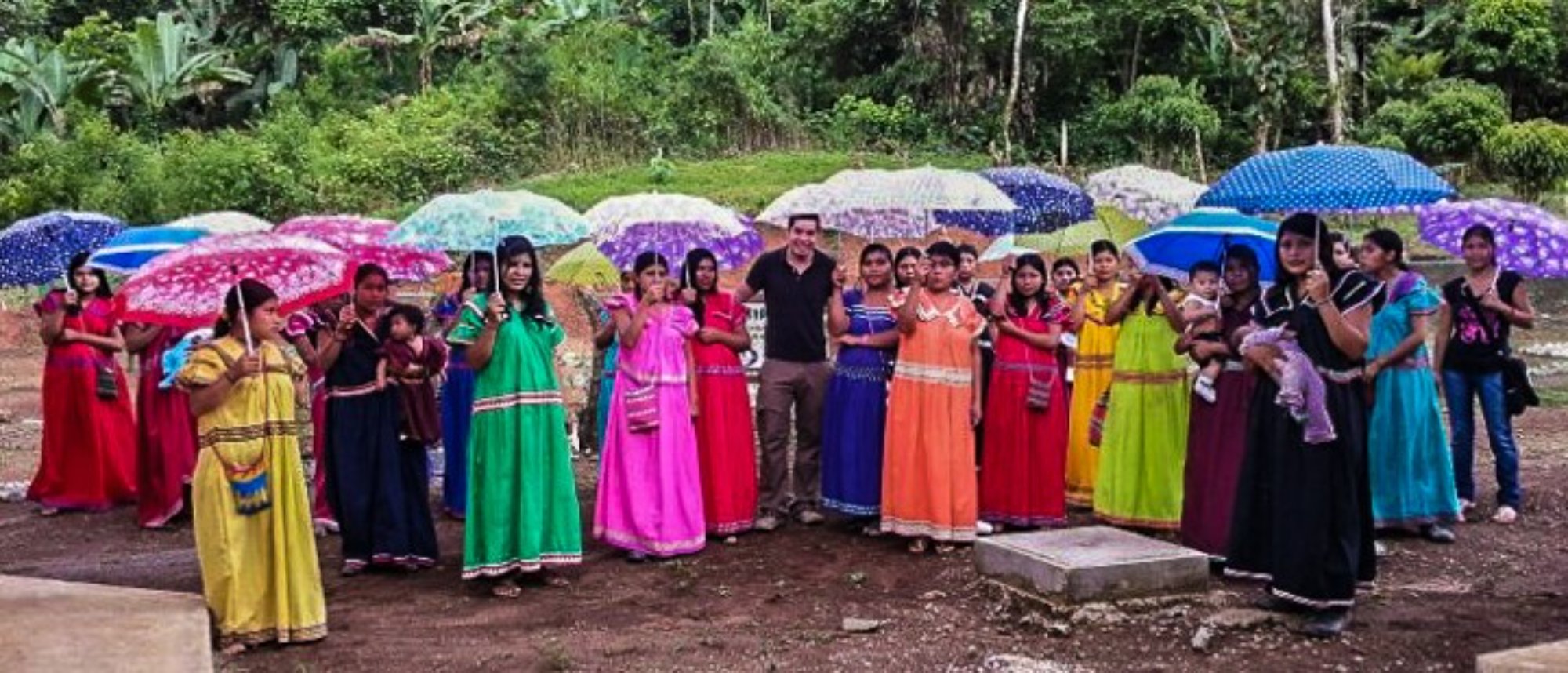
keep them dry and healthy. Photo: Dr. Carlos Faerron
For Dr. Ortiz, including the community members in the creation of La Casona Public Health Clinic Indigenous Artwork at Clinic programming was always a priority. His deep respect for the people that he served led him to open the doors to true sharing. The result was a beautifully complementary program, representing the best of both worlds, the allopathic medicine that he studied, and the ancestral Indigenous medicine that he taught so many to cherish. Dr. Pablo Ortiz Roses was a true revolutionary. He inspired so many of us with his vision of humanizing allopathic medicine and respecting the holistic wellness needs of his community. For this, he won many national and international awards and was widely recognized as a leader in promoting the universal right to culturally relevant health services. He will be greatly missed by all who knew him.
Rachel Thomas is an author, teacher, and health and wellness practitioner. She lived in Costa Rica for 30 years, where she founded the Hidden Garden Ethnobotanical Sanctuary. Rachel studies systems of earth-based medicines globally and historically, promoting mutual understanding, ecological awareness, and conservation of ancestral traditions.
References
Blue Bird Jernigan, Valarie et al.. Beyond Health Equity: Achieving Wellness Within American Indian and Alaska Native Communities. American Journal of Public Health, July, 2015. https://pmc.ncbi.nlm.nih.gov/articles/PMC4455506/
Fort Defiance Indian Hospital, Inc.. Traditional & Cultural Services, Arizona. https://www.fdihb.org/services/traditional-cultural-services
Gall, Alana, et al. Traditional, complementary and integrative medicine use among Indigenous peoples with diabetes in Australia, Canada, New Zealand and the United States. Australian and New Zealand Journal of Public Health, v. 45, issue 6, December 2021. Pages 664-671. https://www.sciencedirect.com/science/article/pii/S1326020023003898
Hands for Health Costa Rica. En Memoria del Legado del Dr. Pablo Ortiz Roses. https://handsforhealth.org/historia/
Herrera, Jose. El EBAIS de La Casona es un refugio de Salud en el Territorio Indígena Ngäbe-080824. https://www.dailymotion.com/video/x93qm0i. Teletica, Daily Motion. August 8, 2024.
Hewson Hull, Gail. San Vito’s Local Treasure, Dr. Pablo Ortiz, a Cultural Navigator. Foto Diarist, June 19, 2015. https://fotodiarist.com/2015/06/19/san-vitos-local-treasure-dr-pablo-ortiz-a-cultural-navigator/
Madrigal, Ronald. Hand for Health Representative. Personal communication on March 18, 2026.
McClurg, Lesley. Medicaid will cover traditional healing practices for Native Americans in 4 states. National Public Radio, Shots – Health News. October 19, 2024. https://www.npr.org/sections/shots-health-news/2024/10/19/nx-s1-5157931/medicaid-traditional-healing-native-american-tribes
Napoli, Maria. Holistic Health Care for Native Women: An Integrated Model. American Journal of Public Health, October, 2002. https://ajph.aphapublications.org/doi/full/10.2105/AJPH.92.10.1573
Pura Vida Sur Costa Rica. Dr. Pablo Ortiz: Ayudando a Comunidades Indigenas en CR y h4h. En la Oficina Podcast, Ep. 3. July 17, 2023. https://www.youtube.com/watch?v=yVq8we2sOKQ
Reese, Sarah et al. We’d Just Patch Ourselves up’: Preference for Holistic Approaches to Healthcare and Traditional Medicine among Members of a State-Recognized Tribe. Journal of Holistic Nursing, Vol 42, Issue 1. April 25, 2023. https://journals.sagepub.com/doi/10.1177/08980101231169867