by Nadia Nedelchev
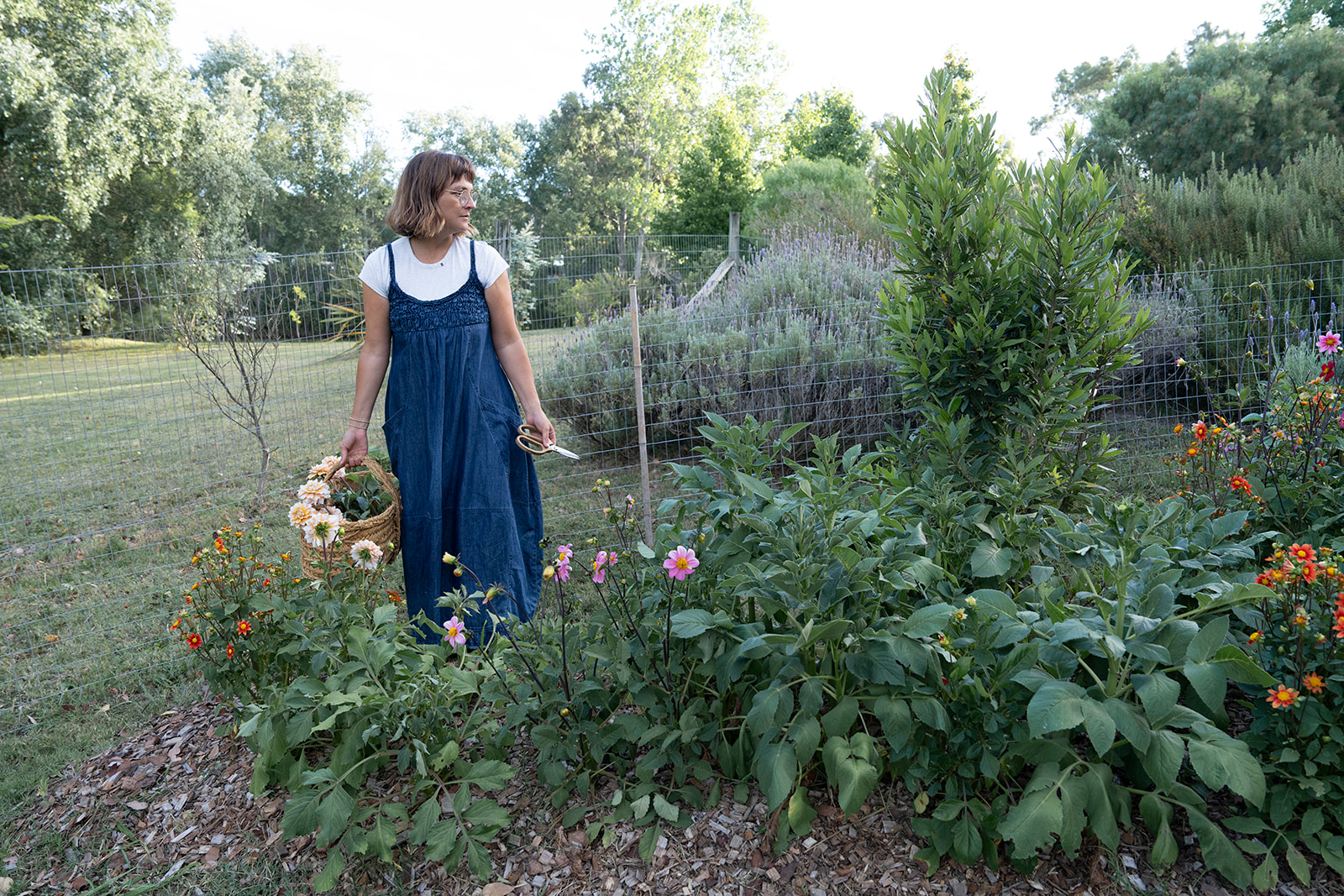
When we spend time in nature, something within us shifts. Walking through a forest of trees, observing flowers in a field, or even in the garden of our own home gives us the opportunity to renew our vitality, balance our emotions, and find a sense of peace and calm.
The more time we spend in nature, the more we become aware that the qualities we perceive in the natural world already exist within us. Nature simply reminds us.
We see a tall, strong tree and we remember strength and rootedness.
We see a flower and we remember delicacy and beauty.
We see a root and we remember wisdom and connection… and so it goes.
Flowers—so varied, so divine, and so perfectly formed—carry qualities. These qualities operate within our bodies, our emotions, our thoughts, and our spirit.
Since ancient times, flowers, roots, and plants have been used to heal many types of ailments, and we continue to work with them today. From the plant world come many of the substances that shape our daily lives. Even when they appear in processed or chemical forms, their origins lie in the natural world—whether in foods, personal care products, fragrances, or cleaning products. Ultimately, everything begins there: in nature.
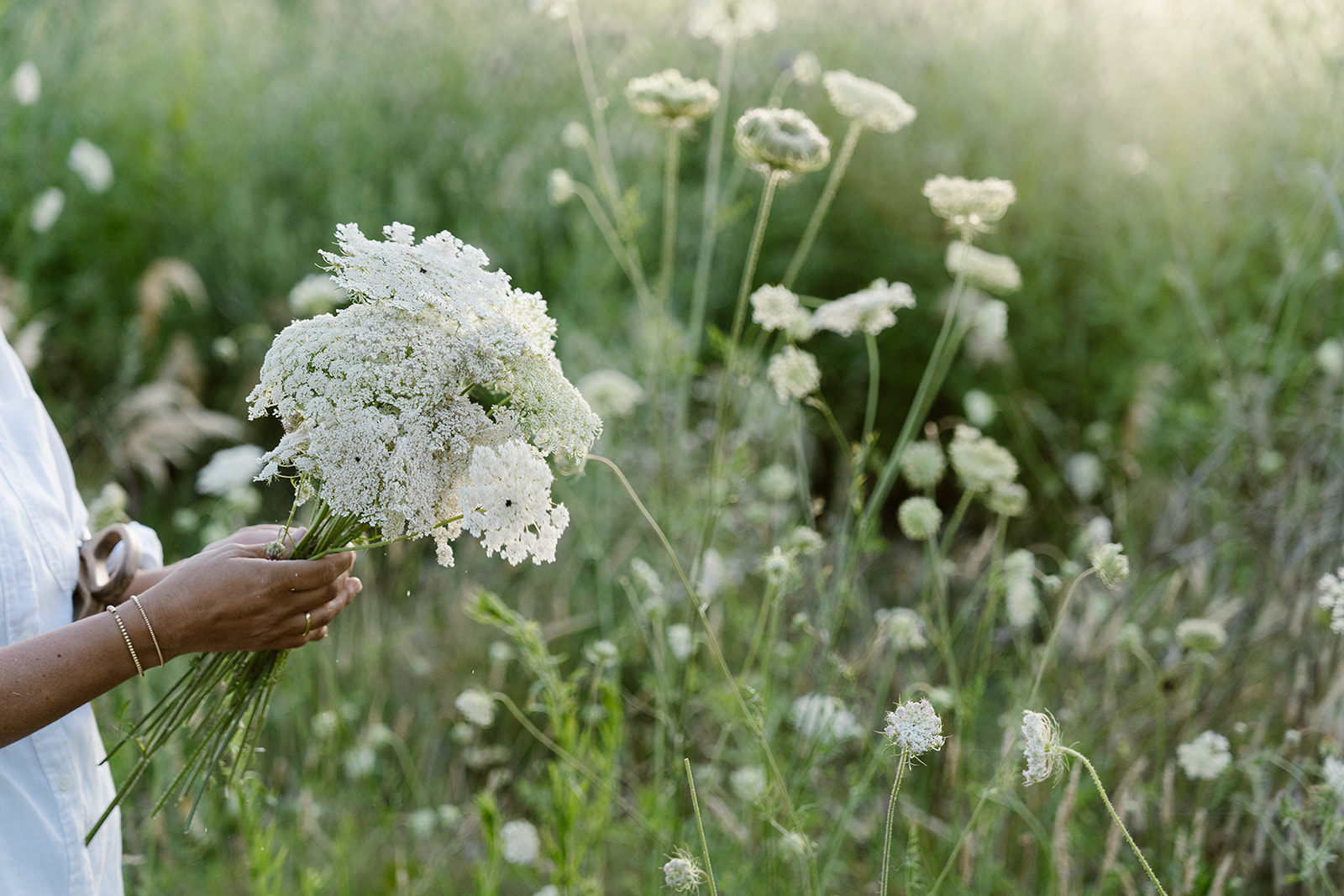
The language of flowers is unique. They are present in nearly every moment of human life—celebrations, farewells, new beginnings, and endings. In a way, flowers help us express something that words cannot fully convey. Their beauty has the power to transform a space, and therefore transform us as well.
Sensing their fragrance, observing their shapes and colors, noticing every detail—flowers can evoke memories or transport us somewhere in our imagination.
Looking more deeply, each flower magnifies a particular quality within us. Each one holds something specific. At the same time, flowers can help us release behavioral patterns that no longer serve us. As we become aware of them, we can gently let them go and make space for something new—perhaps a quality we need to cultivate in a particular moment of our lives.
This is why different flowers can make us feel different things. Each flower carries its own distinct and unique quality.
To discover it.
To honor it.
And to patiently learn from each one.
Throughout history, scientists have studied plant behavior and their responses to human interaction—even at a sensory level. Discoveries such as underground communication networks between flowers, plants, and trees reveal how the plant kingdom responds to environmental changes.
How often have we heard that plants react to the emotional atmosphere of a home? Or that flowers sometimes wilt without an apparent reason? Clearly, the plant kingdom carries a deeper wisdom that continues to surprise and inspire us.
Take time to reflect deeply:

What memories do you have connected with flowers?
What do you feel flowers might be showing you?
If you could ask a flower a question today, what would it be?
Ways to connect with the transformative power of flowers
Visual contemplation
With the support of breathing exercises, silence, and contemplation, we can practice observing a flower for several minutes—whether an image or a living flower. Contemplating a flower for two minutes or more can become a profound practice that cultivates qualities such as patience and resilience.
Essential oils
Essential oils are the concentrated essence of a plant—its natural defense system and aromatic intelligence. They represent the pure essence of a flower, root, stem, or tree. Essential oils can be applied to the skin or diffused into the environment. Through different preparations and dilutions, we can work with their potential in effective and creative ways.
Flower essences
Flower essences are prepared through a simple process of macerating flowers in water to create a mother tincture. Different methods exist, but the intention is always to capture the subtle and energetic qualities of the flower. Flower essences can also be integrated into preparations alongside essential oils.
Preparing a flower essence: Each flower carries specific properties—sometimes several at once. Within every flower are aspects that already exist within us. By working with them, we can enhance qualities that support our health and well-being on every level: physical, mental, emotional, and spiritual.
Some people are more sensitive and may feel the effects immediately, even physically. For others, the process of change or healing may unfold more gradually. As in many areas of life, our openness, trust, and faith influence how we experience the results we seek.
Practice: Meditate with a flower
Find a comfortable and quiet space where you can reflect and observe yourself.
You may accompany the moment with a scent you enjoy or a sound that brings calm.
Take several deep breaths and visualize a flower in your mind. Sense its fragrance, observe its form, and notice any details that arise in the image.
Then open your eyes and, with a contemplative and respectful attitude toward yourself, write down in a journal every detail and sensation you experienced.
Repeat this exercise for four consecutive days. Try not to judge—simply observe, feel, and remain open to the experience.
And remember:
The flowers are a bridge between the subtle and spiritual realms and the everyday, ordinary world. Practicing awareness and appreciating their infinite beauty reminds us of the transformative power they offer through the quiet elegance of their presence. In their silence, flowers invite us to slow down, listen, and reconnect with the many layers of our multidimensional health.
Nadia Nedelchev
Natural wisdom mentor, herbalist, stress management therapist, speaker.