By Tanner Filyaw
Even though United Plant Savers has been engaged in goldenseal (Hydrastis canadensis) propagation, education, and stewardship since the organization’s founding in 1995, the launch of the Hope for Hydrastis initiative in 2019 brought new emphasis to these goals, along with the desire to inspire and mobilize a new generation of goldenseal forest farmers.
From its inception, the Hope for Hydrastis initiative was intended to be a 5-year investment in expanding UpS’s propagation infrastructure, our ability to produce planting stock to distribute to forest farmers, and to establish a living genetic repository for goldenseal plants from across the central Appalachian region. Through this experience we have been able to experiment with growing goldenseal in a variety of habitat conditions, including natural forests, under artificial shade, and in intensively cultivated production beds; propagation techniques for fibrous roots and seeds; and soil amendments and nutrition to optimize growth. Now that we are well into 2025 and the initial five-year project has ended, we would like to look back on the growth we have accomplished and share what we have learned through the process.
Experimenting With Cultivation Strategies and Growing Sites
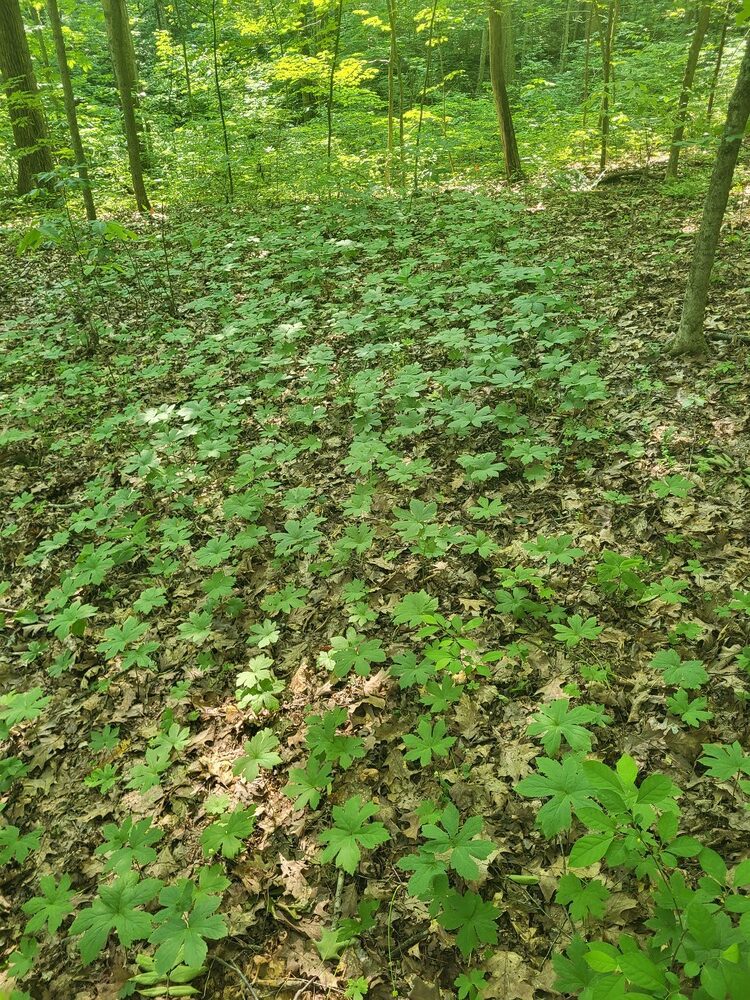
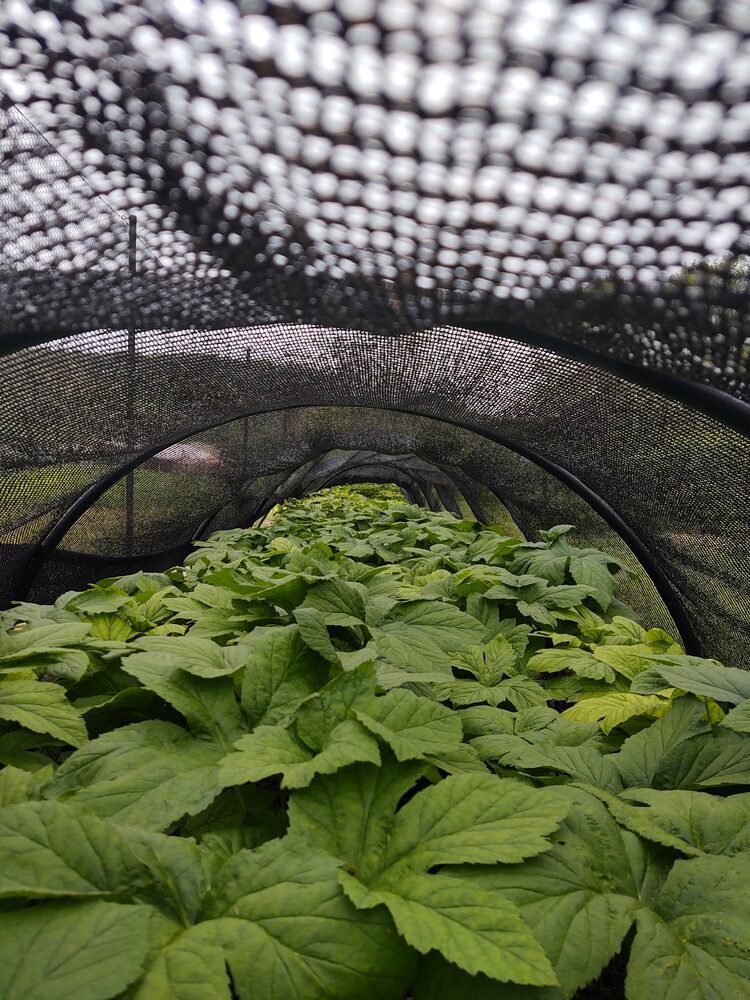
The primary goal of our goldenseal cultivation experiment was to try out a range of strategies that would be applicable to a wide demographic of growers that would represent the diverse spectrum of cultivatable habitats that can be found in our forests, fields, gardens, and landscapes. We focused our efforts on the three primary cultivation strategies typically described in most forest farming resources including the “wild-simulated” method where plants are grown in a natural forest habitat without any amendments of inputs; the “woods-cultivated” method with plants grown in amended and tilled beds under natural shade trees; and “artificial shade” beds with plants intensively cultivated in compost enriched soil under 70% polypropylene shade cloth. These cultivation experiments provided us with a lot of insight into what seems to work well and how the different cultivation strategies and habitats produce different results.
For growers interested in the wild-simulated approach to goldenseal cultivation, the most important thing to know is that success starts with a high quality growing with loamy, nutrient-rich soils that will enable the plants to thrive and spread vegetatively. After 4 years of growth in wild-simulated beds, we have observed very high rates of survival but have not seen large increases in root growth or plant abundance yet. Based on this trajectory, the wild-simulated beds may take closer to 8 years until they are fully “mature.” Wild-simulated plantings tended to develop a similar age/class structure to what is observed in wild populations with most plants falling in the juvenile age/class (i.e. single-leaf), and relatively few reproductive plants (i.e. two-leaf) four years after transplanting. Overall the wild-simulated approach could be a good strategy for a grower with abundant forestland and high-quality growing sites that are able to support strong growth and high rates of reproduction (i.e. seed production and vegetative reproduction). Because of the high rates of survival we observed, the wild-simulated method could also be a good strategy for “banking” plants in the forest until they are ready for propagation or transplanting to other locations.
The woods-cultivated test plot utilized for this project was developed underneath a planted row of hardwood trees that were thinned to provide optimal near shade for the goldenseal below. The soil between the trees was shallowly tilled and heavily supplemented with compost, pelletized gypsum, and limestone sand to improve soil texture, increase organic matter, and provide organic nutrients.
In 2019, the woods-cultivated plot was planted with approximately 35 lbs. of root stock and yielded 84 lbs. when it was harvested in 2024, almost a three-fold increase in root mass in just 4 years. Over the course of the growing cycle a majority of the plants in the population reached reproductive maturity, produced an abundant amount of seed as well as clonal root sprouts through the spread of the fibrous roots. Many of the large reproductive plants also developed multiple tops and growth buds that increased seed yields as well as the number of root divisions that could be made from each rhizome. Ultimately, the loose, nutrient rich soil and increased light availability were largely responsible for the rapid growth and high yields observed in this planting. We would strongly recommend growers consider incorporating this production strategy into their cultivation goals, particularly if seed production and subdividing roots are part of your management goal.
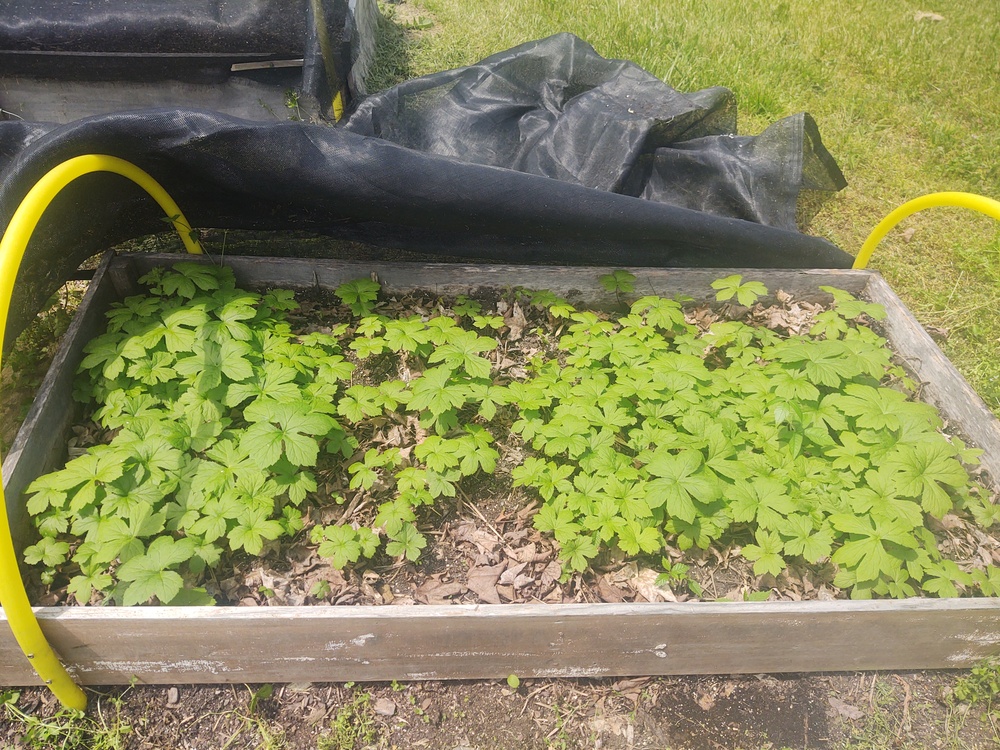
For growers who don’t have access to natural forest growing sites or adequate tree cover for cultivation, artificial shade strategies could be a good option. The artificial shade beds used for this project were constructed of wooden timbers approximately 12”-14” deep and filled with the same compost mix previously referenced. After planting, hoops were fastened every four feet along the length of the bed to support the polypropylene shade cloth. For this experiment, 70% shade cloth was used, but 80% would also be fine.
Overall, the artificial shade beds yielded very similar results to the woods-cultivated beds with abundant seed production and large multi-stemmed rhizomes with abundant fibrous roots. This strategy can be implemented at both small and large scales but does require additional costs for raised bed construction and shade cloth. One recommendation for this strategy would be to make sure the shade cloth is not flush to the ground, allowing good airflow through the bed. Good airflow will help prevent the occurrence and spread of foliar diseases that can thrive in an enclosed area.
Propagating New Plants from Seeds and Fiber Roots
Seed Propagation
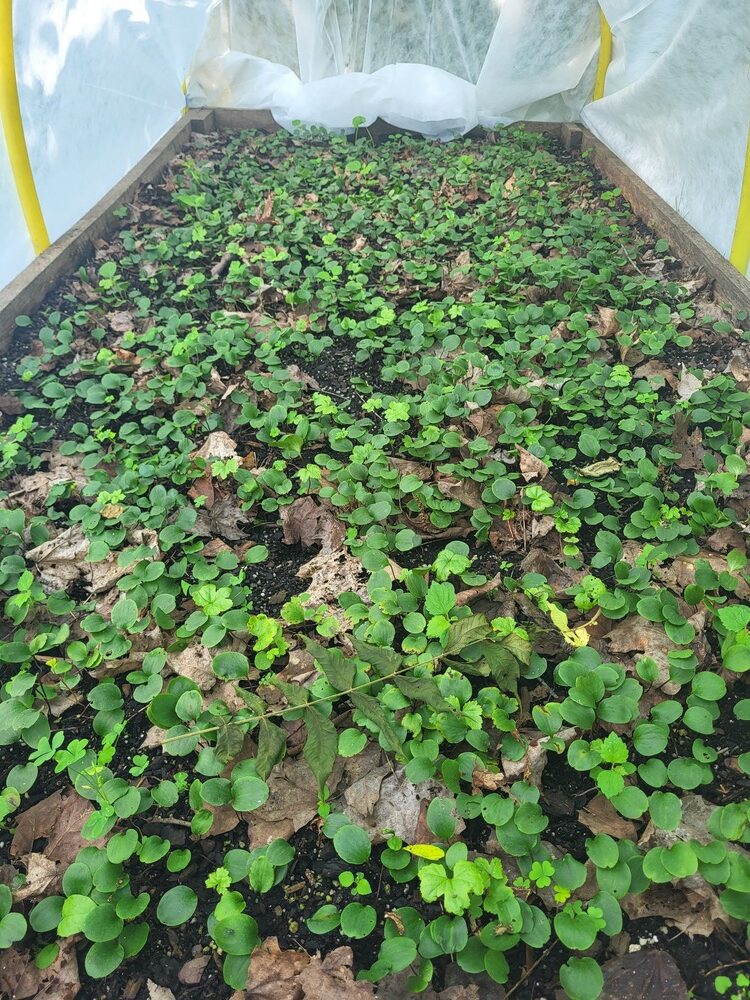
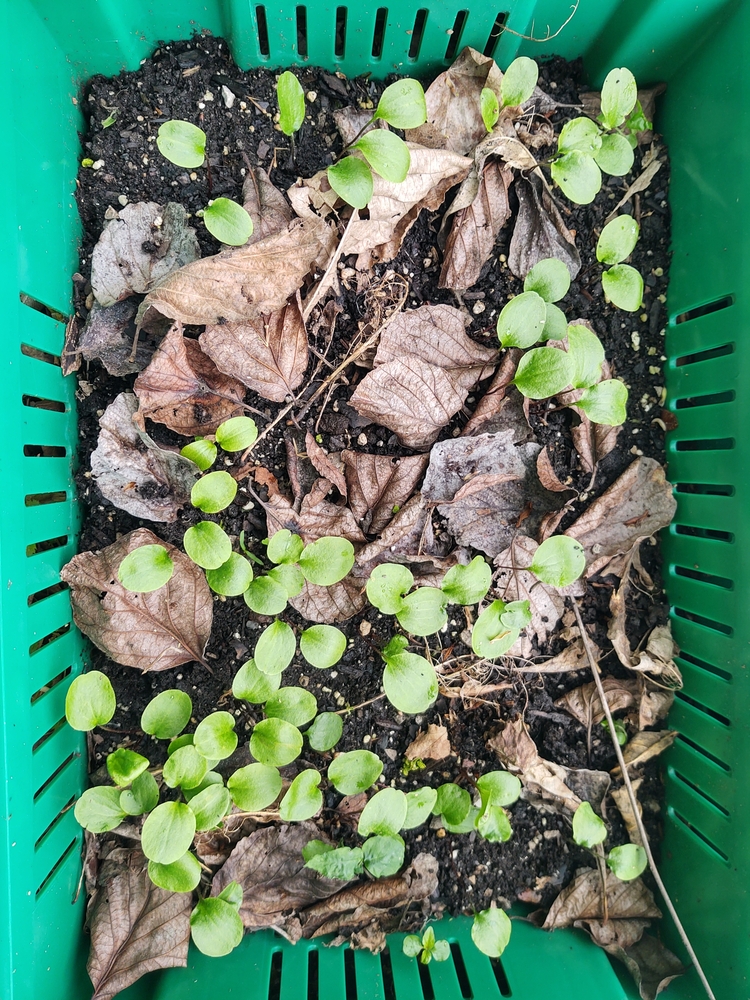
During the Hope for Hydrastis project we were able to experiment with several seed stratification and germination variables to see which techniques were most successful including trying out various soil mixes, types of nursery beds and containers, and winter storage options. Based on our experience we found that planting seeds in a traditional nursery bed, filled with a 50/50 mix of potting soil and compost and allowing the seeds to stratify naturally over winter produced the best germination results. A simple wood frame raised bed, 6”-8” deep, will provide plenty of space for the plants to grow for up to two years, allowing them to develop a strong root system before transplanting. For those short on space, small quantities of seed can also be germinated and grown in stack and nest flats, but space is very limited. With either method, protecting the seeds/nursery beds from pests (i.e. mice, moles, voles, chipmunks, cats, etc.) is essential.
Propagating Fibrous Root Fragments
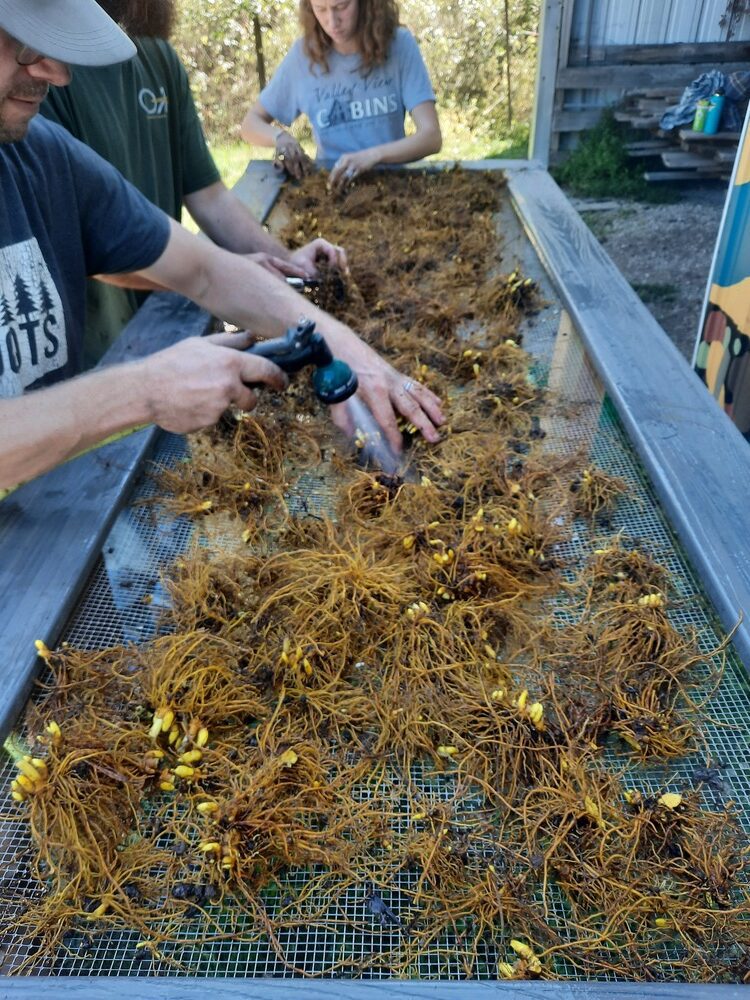
If you find that seeds are in short supply, small seedlinglike propagules can be successfully produced using fibrous root fragments. Fiber fragments are generally easy to come by, especially if you are doing any harvesting, transplanting, or subdividing. Like our seed experiments, we tested the success of fiber root propagation in a variety of soil mixes/mediums and storage containers. The best results were produced when root fibers were layered in heavy-duty fabric pots, with a 50/50 mix of potting soil and sand, and then buried in a raised bed approximately 12” deep through the fall and winter months. We found that 65% – 70% of the root fiber stored this way developed an active growth bud or new leaf/stem by spring. It could be advantageous for growers to utilize this technique and capitalize on goldenseal’s natural ability to regenerate, potentially creating a pathway to producing hundreds of additional plants each year.
Conclusions
In the end, the Hope for Hydrastis initiative was a pretty big success and resulted in UpS making significant progress toward our cultivation goals. After 5 years of investment, 240 lbs. of goldenseal were planted in more than 30 wild-simulated, woods-cultivated, and artificial shade beds. In 2024 we were able to harvest our first round of planting stock and were able to supply forest farmers with 30 lbs. of premium cultivated goldenseal. Over the next few years we hope to increase the amount of goldenseal planting stock available to forest farmers, as well as our capacity to assist growers with achieving good cultivation results. We hope that aspiring growers can learn from and/or adopt some of the practices we have experimented with and that they make a positive impact on their gardens.
Tanner Filyaw is the forest program manager at United Plant Savers