A partnership of science and art
For more than five decades, Jim and Peggy Duke embodied the marriage of science and art that lies at the heart of United Plant Savers. Jim, the ethnobotanist, gathered the knowledge. Peggy, the botanical illustrator, brought the plants to life on the page.
Their partnership began in the field. In the 1960s, Peggy made 182 technical drawings of tropical tree seedlings in Puerto Rico. Foresters were still using them to identify seedlings after Hurricane Maria in 2017.
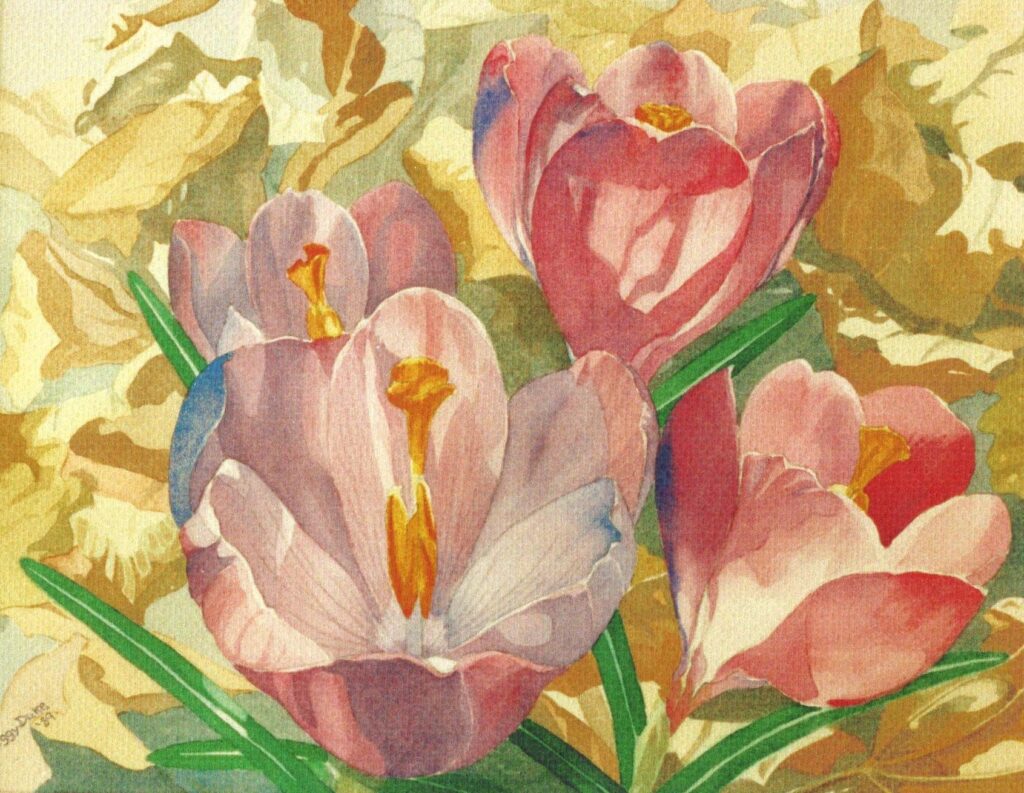
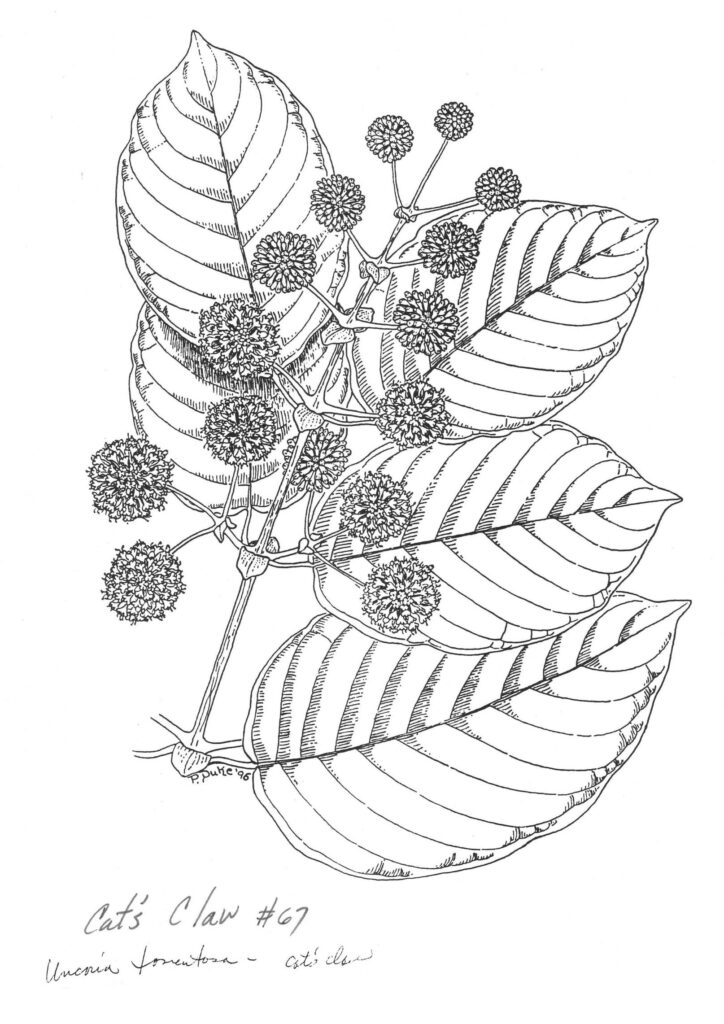
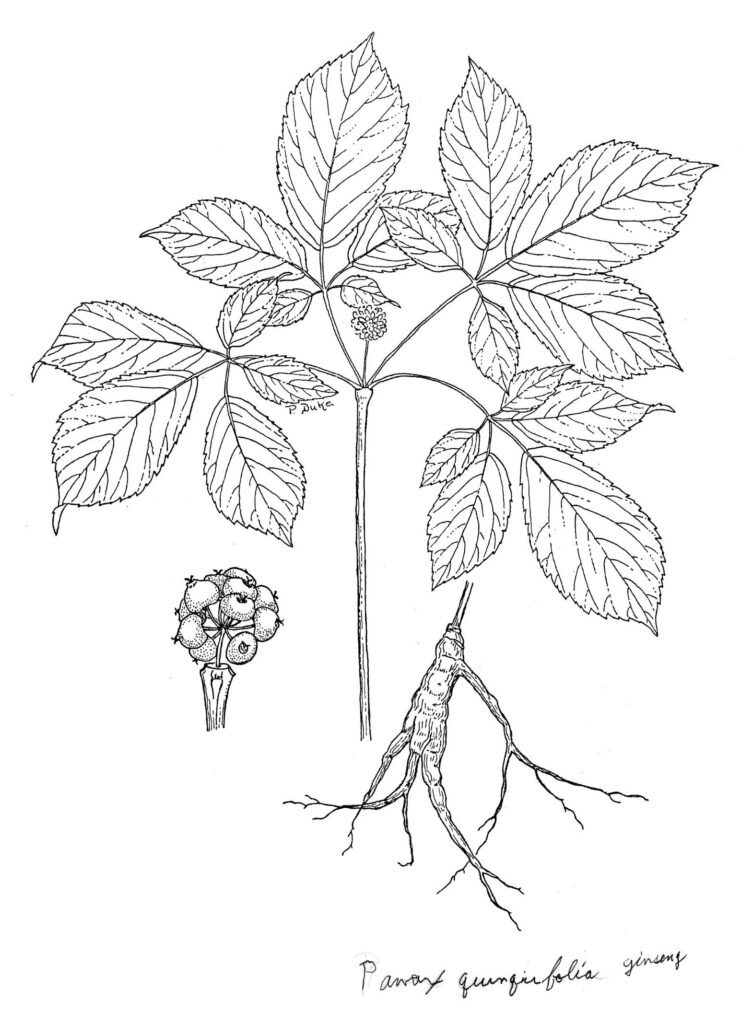
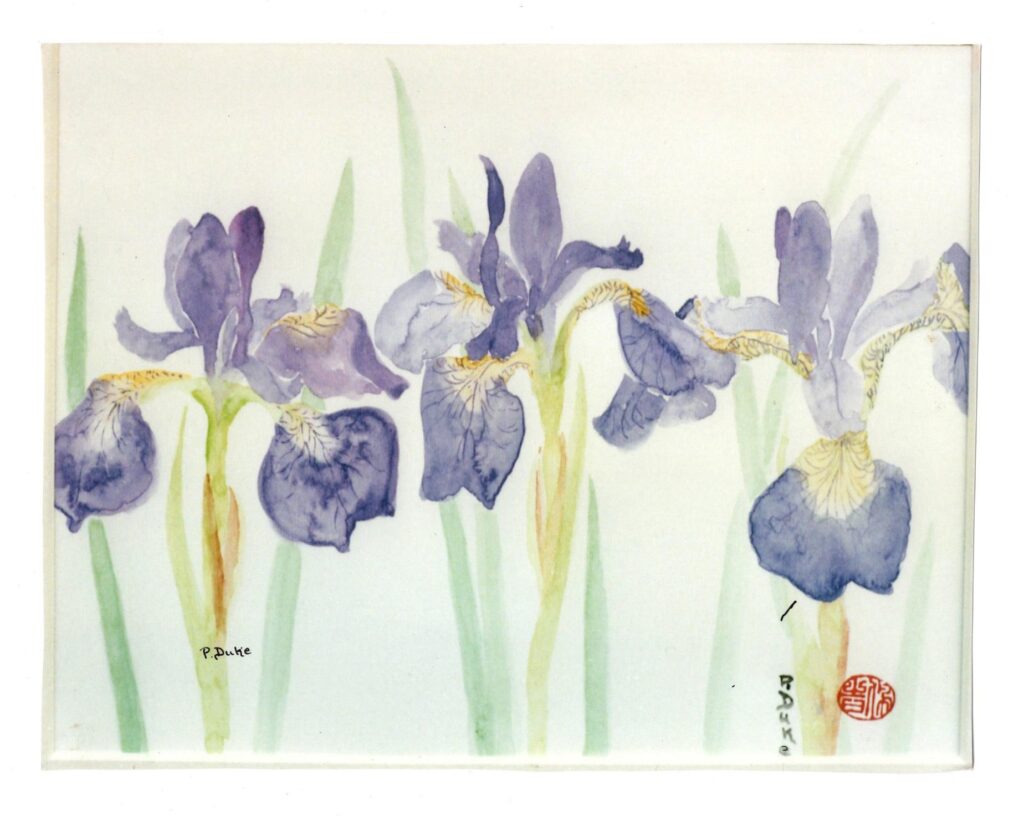
The collaboration continued through more than a dozen books. They range from Medicinal Plants of the Bible (1983) and the Handbook of Edible Weeds (1992) to the bestselling The Green Pharmacy (1997). Together, they taught generations to “listen to what the plants are telling us.”
Plants worthy of a stamp
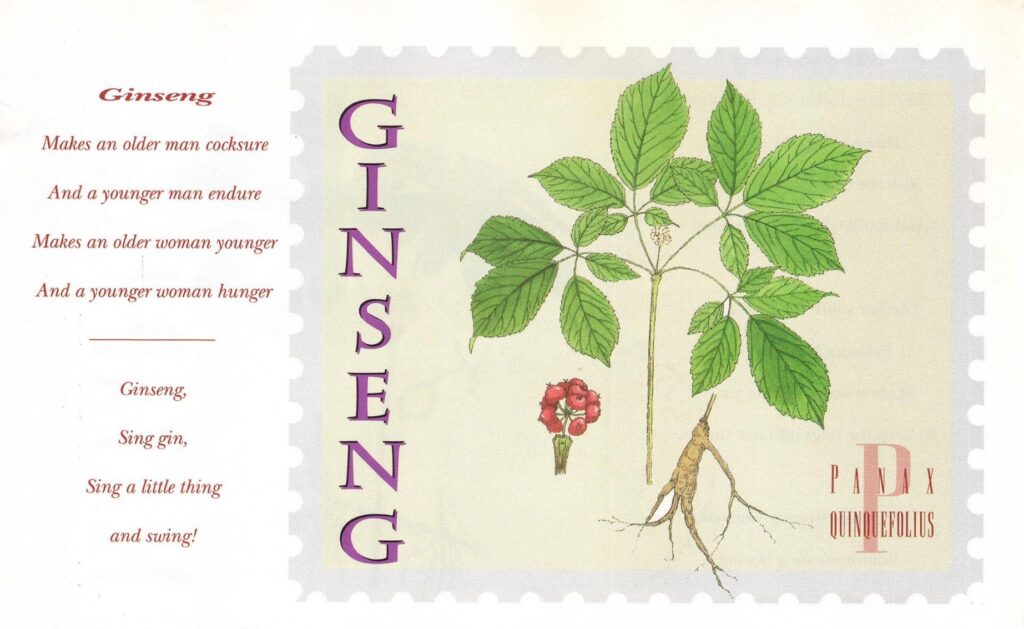
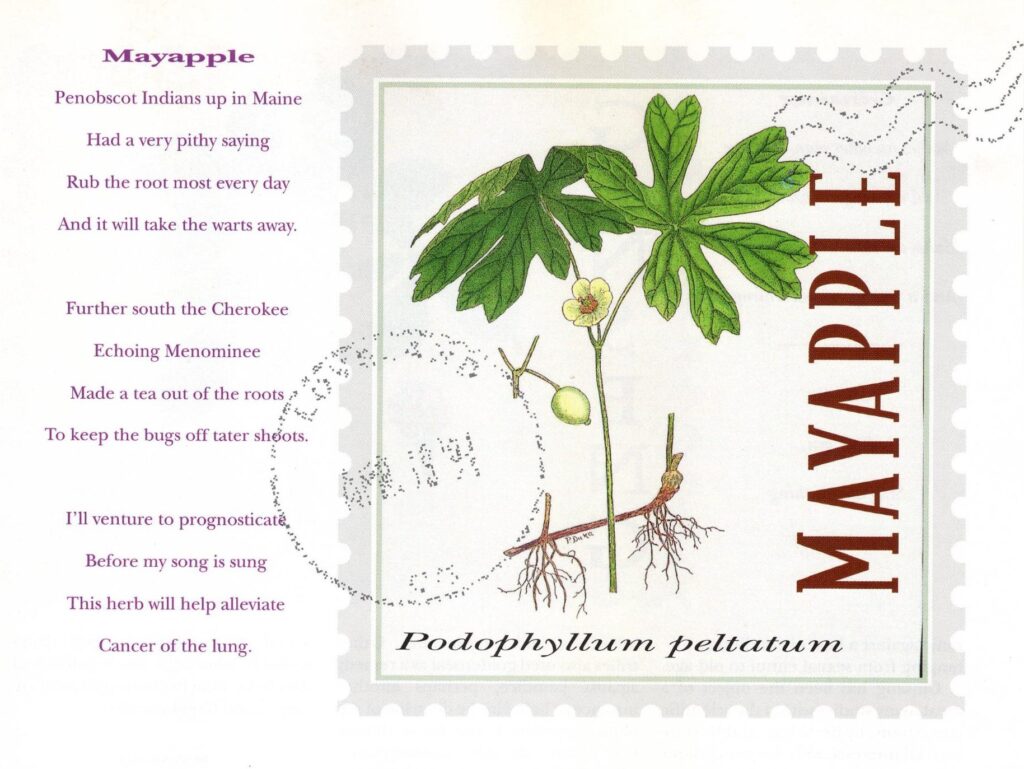
The Dukes even set their sights on the post office. In a 1994 article for Herb Companion, they wrote about phytophilately, the collecting of plant stamps. They imagined a series honoring native medicinal plants, not as pretty wildflowers but as living medicine and cultural heritage.
A song for a paradise lost
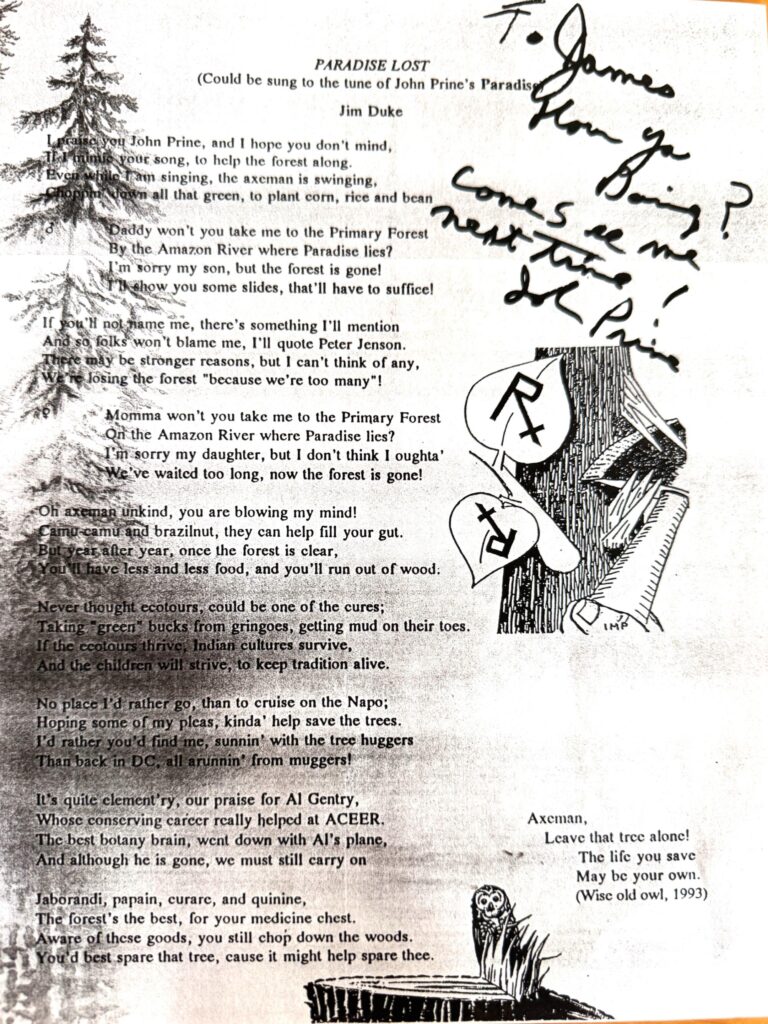
Jim loved John Prine’s 1971 song “Paradise.” Prine wrote it about his parents’ hometown of Paradise, Kentucky, which was erased by Peabody Coal’s strip mining in Muhlenberg County. It became an anthem for land lost to extraction.
Jim borrowed the tune for “Paradise Lost,” a parody he sang on ecotours to the Peruvian Amazon. He kept Prine’s question-and-answer chorus but moved the story to the rainforest, where gold mining and clear-cutting threatened primary forest. He tied it back home with a nod to fracking and polluted rivers in the United States.
Where Prine’s song ends in grief, Jim’s offers a way forward. The forest’s foods and medicines are worth more standing than cleared, and ecotourism can support Indigenous communities and help keep the forest alive. Both songs share one warning: a paradise lost to profit can’t be brought back, so we must protect it while it still exists.
In a file Jim had marked “Poetry,” Chip found a copy of the correspondence between John Prine and Jim. It is a reminder of the woven, interconnected world we live in, where stories, music, plants and people form the fabric of biodiversity.
LISTEN
Jim Duke sings “Paradise Lost”
Sung to the tune of John Prine’s “Paradise.” Running time 5:56.
Carrying the legacy forward
The Center for Medicinal Plant Conservation was dedicated in Jim and Peggy’s honor. Shortly after their passing, United Plant Savers became steward of their library and archives. The collection came from the offices and studio on the lower level of their home at the Green Farmacy Garden.
In the spirit of Jim’s love of puns, we named it the DEA: the Duke Ethnobotanical Archives. The catalogued library is on our website, and we welcome researchers to come and explore it. Peggy also donated 500–600 original ink drawings to the Hunt Institute for Botanical Documentation at Carnegie Mellon University, another remarkable repository.
The Green Farmacy Garden in Fulton, Maryland, is now owned and run by the Community Ecology Institute. It remains part of the United Plant Savers botanical sanctuary network.
Helen Metzman, past president of United Plant Savers and once Jim’s gardener at the Green Farmacy Garden, wrote a moving tribute to him. Read it here.
A personal note
As a student of ethnobotany, I was fortunate to spend two weeks at Eagle Hill in Maine studying the ethnobotany of the Northeast with Jim, Peggy and Steven Foster. I think of that time often. It reminds me how important it is to pass knowledge along and inspire the next generation.
There is so much here to unpack we hope you find threads that take you places, and we feel honored to keep their legacy alive.
— Susan Leopold, Executive Director, United Plant Savers
Books and publications together
At least 15 works pair Jim’s text with Peggy’s illustrations, from 1961 to 2013. Original drawings are held at the Hunt Institute.
| Year | Title |
|---|---|
| 2013 | Herbistatins: Herbal Alternatives to Synthetic Statins |
| 2007 | Duke’s Handbook of Medicinal Plants of the Bible |
| 2007 | Herb-A-Day |
| 2002 | Handbook of Medicinal Spices |
| 2002 | Handbook of Medicinal Herbs, 2nd ed. |
| 1999 | Herbs of the Bible: 2000 Years of Plant Medicine |
| 1997 | The Green Pharmacy |
| 1994 | Amazonian Ethnobotanical Dictionary |
| 1992 | Handbook of Edible Weeds |
| 1987 | Living Liqueurs |
| 1985 | Culinary Herbs: A Potpourri |
| 1983 | Medicinal Plants of the Bible |
| 1969 | “On Tropical Tree Seedlings” |
| 1965 | “Keys to seedlings of woody species in eight Puerto Rico forest types” |
| 1961 | “Preliminary Revision of the Genus Drymaria“ |
Sources
- Peggy-Ann Kessler Duke profile and obituary, UNC Botanical Garden (quoting HerbalEGram, Sept 2021)
- Jim Duke’s Legacy, note from Celia Larsen
- James A. Duke Papers, Box 4, National Agricultural Library
- MUIH finalizes sale of Green Farmacy Garden, Dec 2022
- MUIH sells Duke Green Farmacy Garden to CEI, Biz Monthly
- The Green Farmacy Garden c/o CEI, CEI organizer page
- Ethnobotanist Jim Duke Dies at 88, American Botanical Council
- Ethnobotanist Jim Duke Passes at 88, WholeFoods Magazine
- Hall of Legends 2019, New Hope
- Hunt Institute Botanical Art catalog
- Handbook of Medicinal Herbs, 2nd ed., British Library catalog
- Maria G. Cattell letter to Herb Companion, March 25, 1994 (UpS archive)
- From the Desk of James A. Duke, tribute by Helen Metzman