Submitted by John Talberth | Funded through a grant from Environment Now

America’s forests are under siege. More than 80% of forestlands in the US are degraded by development and rampant logging on private, state, and federal lands. In the lower 48, that figure is closer to 95%. Thriving forest ecosystems have been paved over for urbanization and industry; many have been replaced with monoculture tree plantations for timber and biomass production; others have been intensively logged and fragmented with roads for logging or traffic. These disruptions to forest ecosystems can increase their susceptibility to pests, diminish their ability to support diverse wildlife, and reduce their capacity to provide vital resources such as clean air, water, and fertile soils. Despite these ongoing challenges, federal and state forestry policies continue to treat forests like a crop, often overlooking the long-term negative effects on human and planetary health.
Dynamic forest ecosystems have the power to stabilize our weather, protect us against floods and windstorms, limit the extent of the biodiversity extinction crisis, and prevent the decline of ailing rural communities. Congress must halt the billions of dollars wasted in subsidies and incentives for cutting down these forest ecosystems, when the easiest and cheapest solution is to leave the forests standing and let them continue to do their important jobs. No matter who is in the White House, the pace and scale of logging is continuing to accelerate under false pretenses like the carbon neutrality of burning trees for energy, or the claimed need to log for fire risk reduction, or create habitat for game species, or create jobs.
Not the American people, but large international conglomerates benefit from clearcutting U.S. forests. These massive corporations log our forests to burn them for energy abroad and for timber products, while government agencies receive a cut to fund bloated bureaucracies. This 12-article series has been prepared by members of the Forest Carbon Coalition to set the record straight and provide legislators, agencies, and the public data about the real cost of industrial logging to the American people and rural economies, including the harmful impacts to climate stability and biodiversity on which we all depend.
Keep It In The Forest is a twelve-article series prepared by member organizations of the Forest Carbon Coalition (forestcarboncoalition.org), presenting the scientific and economic case for keeping carbon in forests rather than relying on the wasteful and discredited approach of cutting down trees and storing carbon in wood products. This series also highlights the urgent need to restore carbon-rich forests across the American landscape as an essential strategy for solving the converging crises of rural poverty, climate change, and biodiversity loss.
- Fighting the Wrong Battle: Why Logging Isn’t the Answer to Mitigating Wildfires or Climate Change by Chad Hanson, Ph.D., Director, John Muir Project
- No, Logging is Not Climate Neutral by the Center for Sustainable Economy
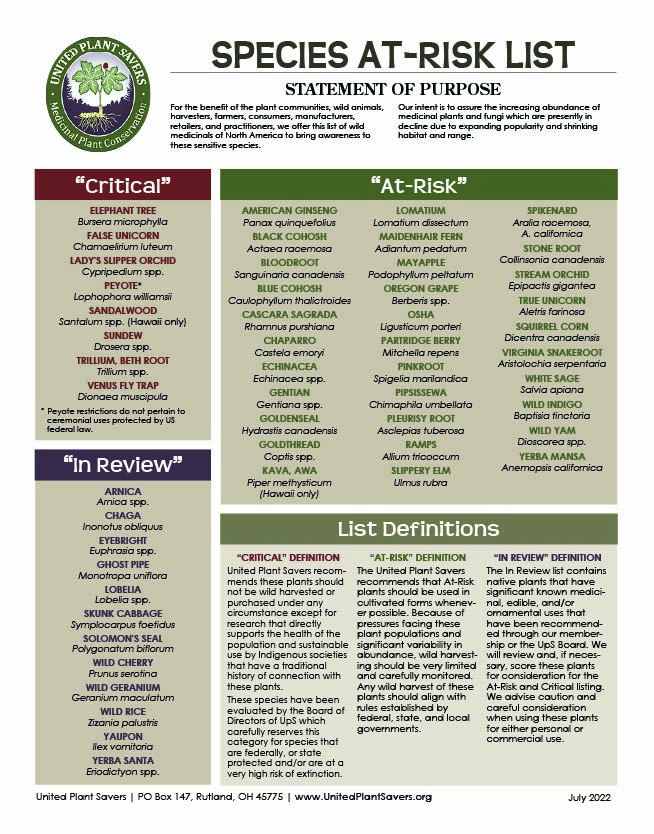
- The Health Benefits of Older Forests: Nature’s Pharmacy by United Plant Savers
- Biomass: Lies, Misrepresentations, Injustice, and Exploitation by Mighty Earth and the Climate Communications Coalition
- We Need Taller Trees Not Taller Wooden Buildings by Forest Carbon Coalition
- Cut Off Wasteful Offsets by Sonia Demiray, Executive Director, Climate Communications Coalition
- Keep It In the Watershed by Defensores de la Cuenca and Climate Communications Coalition
- Fighting Rural Poverty by Protecting Forest Carbon by Forest Carbon Coalition Staff
- 5 Years Left to Meet Global Nature Protection Goals: How We Can Make It Happen by the Climate Communications Coalition and RESTORE: The North Woods
- The Health and Safety Benefits of Climate Smart Forestry by Center for Sustainable Economy
- The Promise of U.S. Eastern Forests and the Threat of Forest Management by Sonia Demiray, Executive Director, Climate Communications Coalition
- A Mushroom Hunter’s Hope: Bigger Trees and More Bountiful Harvests by Hailain Zhou
You can explore these topics further on our Keep It In The Forest webpage (https://sites.google.com/climatecc.org/keepitintheforest/), where we have published the articles and provide additional suggested readings on each topic.