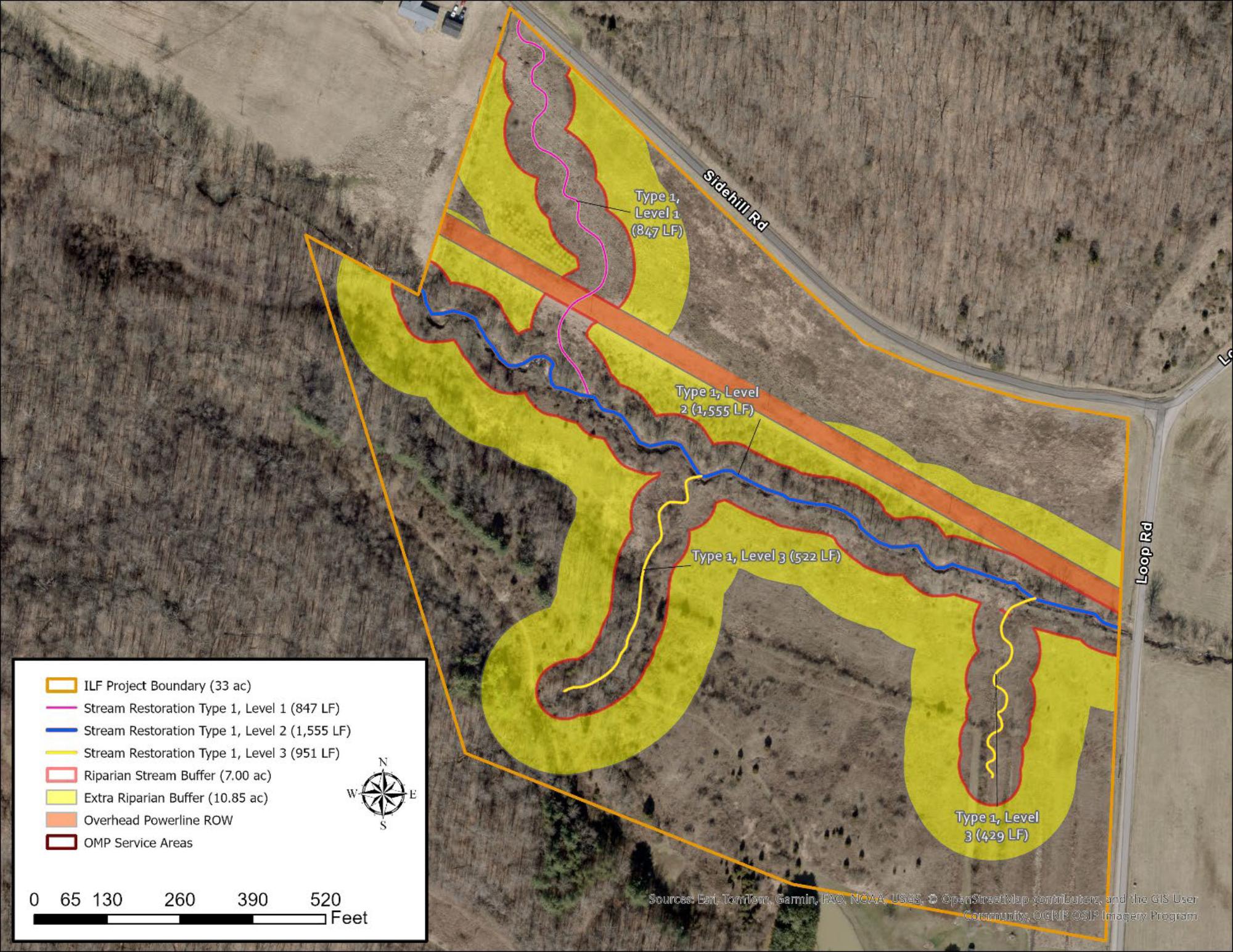
United Plant Savers (UpS) recently withdrew from a Nature Conservancy stream restoration project in Ohio after learning glyphosate use was mandatory. The project, funded through the Ohio Mitigation Program, would have channeled money into watershed restoration. Dedicated to maintaining a no-spray sanctuary, UpS chose to walk away rather than compromise its commitment to chemical-free land stewardship.
The sanctuary has a long history of chemical-free stewardship. Under Paul Strauss’s original guidance and decades of ongoing care, the land has been restored using manual removal, controlled burns, and patience. The primary invasive on the project site is autumn olive, which staff are confi dent they can manage without herbicides. UpS had even begun collecting native seeds last fall to replant with hyperlocal genetics after restoration. In a February 2026 email, the Nature Conservancy cited state and federal mitigation standards as the reason for required herbicide use, noting that legal and fi nancial liabilities tied to the funding dictated the decision, rather than their own internal policies.
While twenty-eight countries have banned glyphosate, and lawsuits against Bayer (formerly Monsanto) have linked Roundup exposure to cancer, the U.S. continues to increase production. Experts like Dr. Elaine Ingham of the Soil Food Web School and Suzanne Simard, author of Finding the Mother Tree, have shown that such chemicals damage soil biology and the vital carbon-sharing networks between nurse plants and forests.
Meanwhile the U.S. is moving the opposite direction from much of the world: the current president recently invoked the Defense Production Act to boost glyphosate output and shield manufacturers from liability. Read the full article, Cracking the Conservation Conundrum: Addressing Americans’ Addiction to Glyphosate, on our website to explore the use of Roundup in conservation and learn about ecological alternatives.