United Plant Savers at the IUCN Conservation Congress
United Plant Savers has been an active participant in international conservation efforts, particularly through its engagement at the IUCN Conservation Congress. This involvement has been made possible thanks to the dedication and support of its members, who consistently empower the organization’s work in plant protection and conservation. The International Union for Conservation of Nature (IUCN), established in 1948, has evolved into the world’s largest and most inclusive environmental network, comprising more than 1,400 organizations and over 17,000 experts. Through collaboration with this global authority, United Plant Savers has contributed to advancing both nature conservation and sustainable development.

Personal Reflections on Conservation
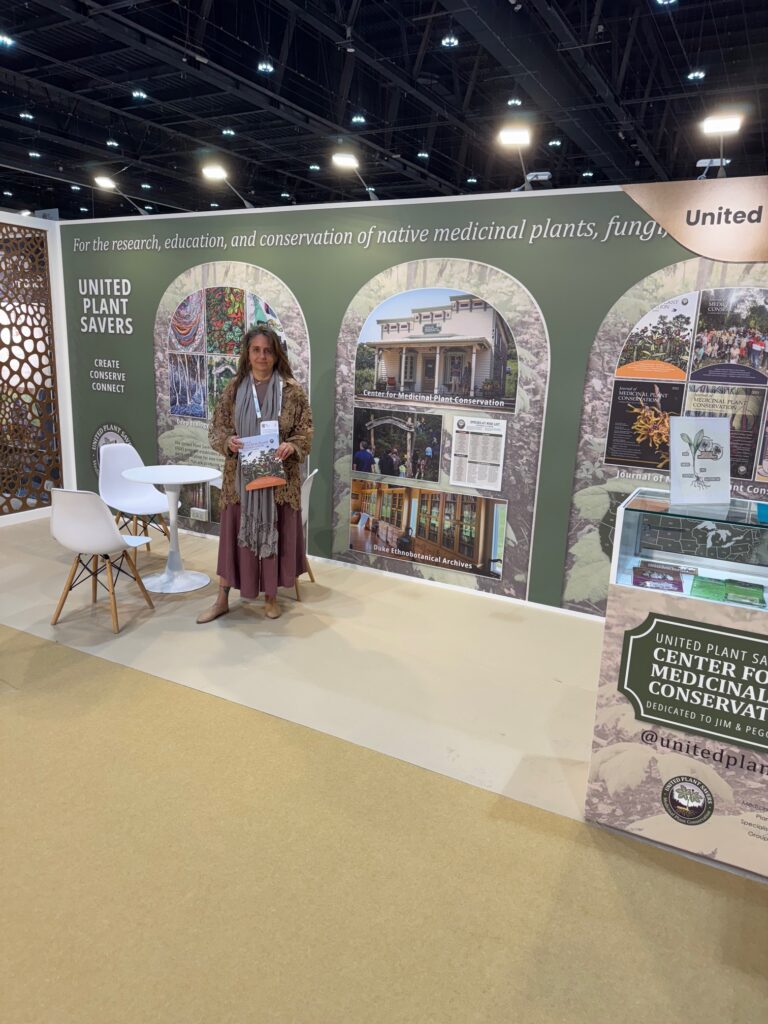
Reflecting on a personal journey that began as a geography major at Boston University, the significance of the IUCN and its Red List became clear early on. From a global perspective studying ethnobotany from a conservation lens it is important to tap into existing networks that are asking the same questions and working towards the same goals. These foundational experiences influenced the commitment to ensure that United Plant Savers became a contributing IUCN member, and member of the Medicinal Plant Working Group, with a focus on advocating for at-risk medicinal plants. Serving as director of United Plant Savers, there has been a strong sense of pride in the collective efforts achieved by this small, grassroots organization. Conservation funding is very difficult and comes in waves that are difficult to navigate, this is why membership support is so critical to support the capacity for United Plant Savers to be able to advocate for plants at the global level. United Plant Savers with its booth was able to demonstrate there is a community of people who care and are committed to plant conservation.
Showcasing the Create, Connect, Conserve Model
At the IUCN Conservation Congress, United Plant Savers had the opportunity to showcase its distinctive model: Create, Connect, Conserve. By creating and fostering meaningful connections, the organization supports the conservation of native at-risk medicinal plant species. Through our vast network of members, botanical sanctuaries and our art fellowship program, our forest farming/ forest grown programs we are able to have a big impact with a small budget. The Congress provided a platform to highlight these efforts and to share success of projects such as “Hope for Hydrastis,” which centers on cultivating goldenseal as a pathway toward conservation. This venue also allowed for meaningful exchanges with individuals working on medicinal plant conservation from all over the world.
Addressing the Underrepresentation of Plants in Conservation
Historically, the field of conservation has often directed its attention toward charismatic animal species and their ecosystems, resulting in the underrepresentation of plants. However, there is now a growing recognition of the critical role that plants play in nature-based solutions. This is particularly evident in areas such as wetland management and the development of urban sponge gardens, which contribute to flood mitigation and ecological resilience. At the congress there was a focus on the relationship between the conservation of trees and freshwater habitats, both of which have also been overlooked in conservation focus. Over 80 percent of all animals have been described and red listed while only 18% of plants have been red listed and only .4% of Fungi have been listed. Neglected taxa are data-deficient species that need attention and so it is important to recognize the need for plants being represented, especially those that are at harvested from wild populations and in trade such as the medicinal plants. One of the agenda items at the conference was adopting the motion – 083, urgent action to prevent illegal trade of succulent plant trade. This motion was put forth by the Cactus and Succulents Plants Specialist Group. It was great to connect with plant people from the Atlanta Botanical Garden, the Morton Arboretum and the Center for Plant Conservation who are all working together to address the critical decline in plant biodiversity. Another interesting development was the state of Massachusetts and California have pledged to join the IUCN in 2026, watch Governor Newsom’s video announcement.
Narrowing the Biodiversity Knowledge Gap
The gap in understanding biodiversity from both plant and animal perspectives is gradually narrowing. This shift is due in part to the increasing awareness of the strong connection between plants and human health. As this understanding spreads, so does the appreciation for the vital contributions that plants make to ecosystem stability and human well-being.


Global Collaboration and Inspiration
The IUCN Conservation Congress brought together over 10,000 participants from around the world in an inspiring forum for the exchange of ideas. The event served as an opportunity to collectively chart a path forward for conservation initiatives. For United Plant Savers, participating in the Congress and advocating for the inclusion of at-risk medicinal plants on the IUCN Red List was a deeply meaningful milestone, reflecting both personal and organizational commitment to global plant conservation. Held every four years, the congress brings together diverse stakeholders that take on issues a forge actions towards key conservation objectives. To learn more about the IUCN and congress outcomes check out congress website, and the IUCN website.
Pictures above:
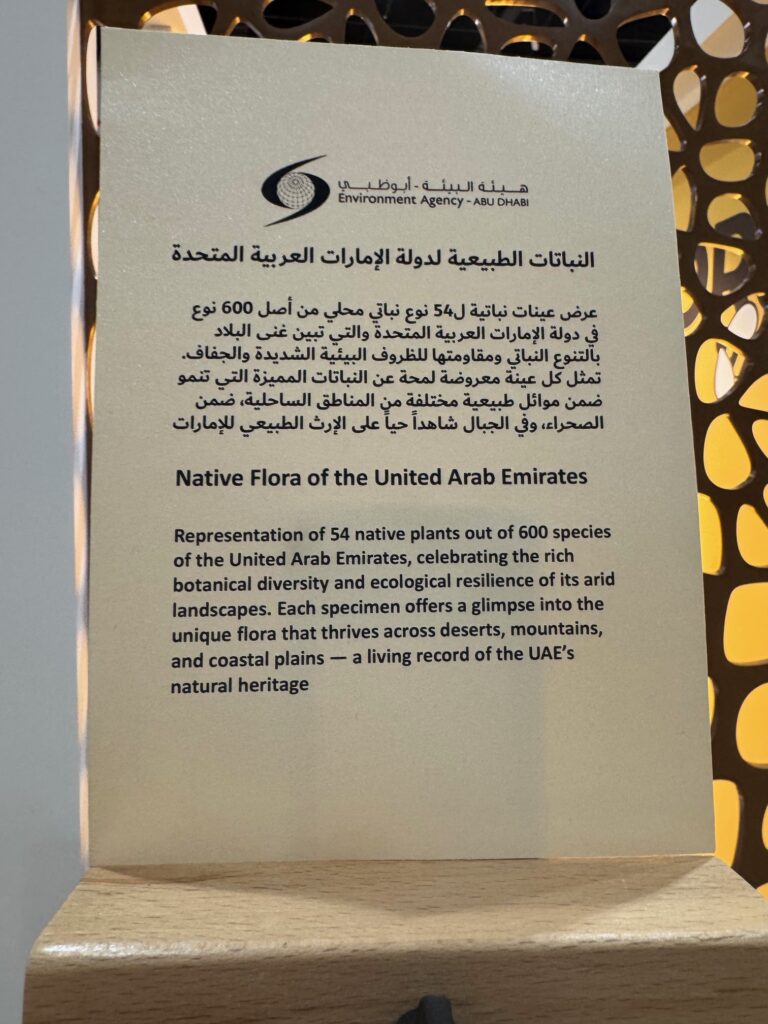
Nuri from the Environmental Agency in Abu Dhabi, a picture of Teucrium stocksianum a fragrant native medicinal plant in the mint family and the next photo is of Joseph and Catherine from the Indigenous Livelihood Innovation Organization Team, you can follow at indigenousiliot to learn more about the many projects in Tanzania – they have a wonderful short film “Our Knowledge is the language of Mother Earth”, sharing about the role of medicinal plants in their community.
“As we face the decades ahead, the scale of the challenge before us cannot be underestimated. We must transform our society, our food and energy systems – and our Union – to build lasting resilience to face the future. With this ambitious Vision and Programme, I know that IUCN is ready to drive the action needed to safeguard nature and with it our wellbeing, our livelihoods and our very identity,” said Dr Grethel Aguilar, IUCN Director General.